

Worlds Within Glass and Light
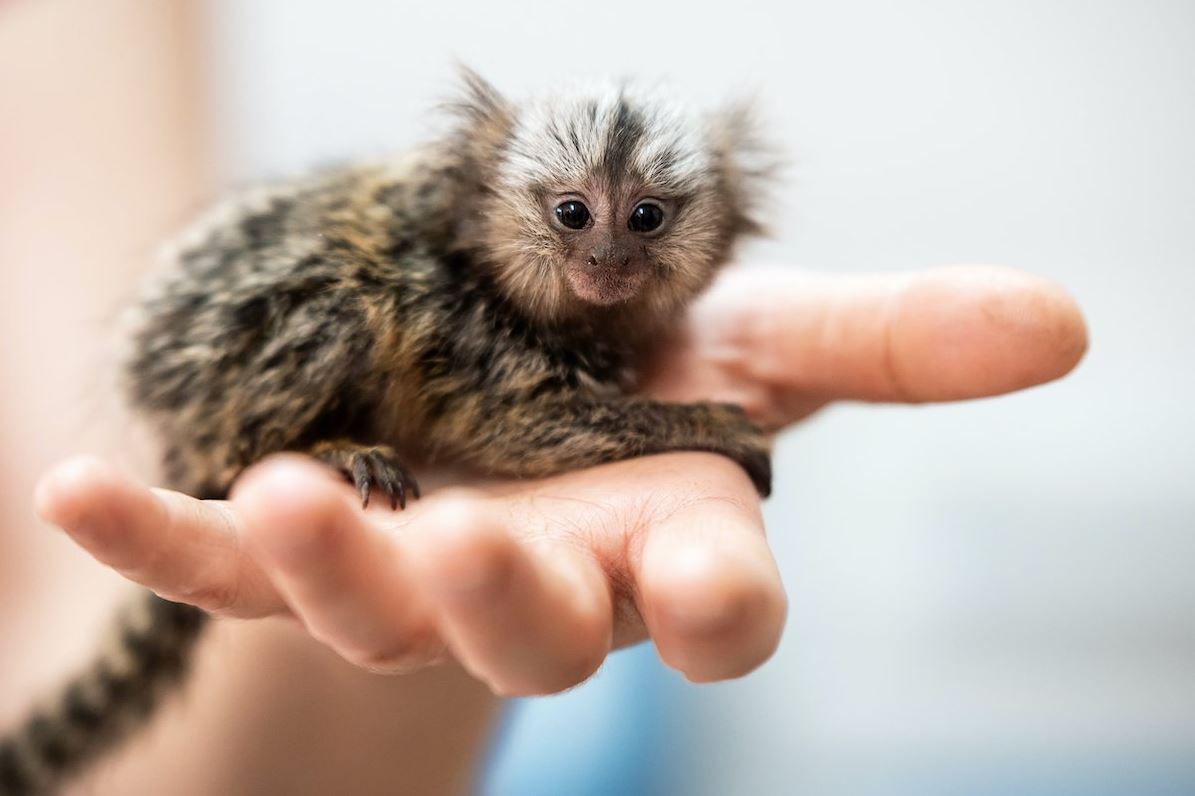
The Fascination, Responsibility, and Connection Found in Keeping Uncommon Companions
The Hidden Allure of the Extraordinary
To look into the eyes of a creature few have ever encountered is to witness another rhythm of life entirely. Exotic pets capture curiosity because they embody the unfamiliar, a living expression of nature’s diversity brought close enough to study, admire, and protect. Whether it is the iridescent shimmer of a gecko clinging to glass, the deliberate grace of a tarantula navigating its enclosure, or the quiet intelligence of a parrot mimicking human laughter, these animals speak to something primal within us. They remind us that wonder still exists in a world saturated with familiarity. Yet fascination alone cannot sustain them. The allure of rarity demands responsibility of equal depth. Every exotic companion carries within it the history of an ecosystem far from our own, and with that history comes a duty to understand before we decide to keep.
Exotic pets challenge the traditional notion of companionship. They do not live to please or perform, and they often resist human affection in ways domestic animals do not. Their presence invites observation rather than control, respect rather than indulgence. For many, this becomes the essence of attraction: the chance to coexist with something purely itself. In learning to care for these animals, humans rediscover humility. The relationship no longer revolves around dominance but around balance, an agreement to share space rather than to own it. In that balance, the exotic becomes familiar, and the act of keeping transforms into one of quiet stewardship.
Understanding What It Means to Care Beyond Curiosity
The decision to keep an exotic animal begins long before purchase or adoption. It begins with study. Each species brings with it unique environmental, dietary, and behavioral needs that differ drastically from conventional pets. Temperature gradients, humidity levels, specialized diets, and precise lighting schedules all form part of a habitat that must simulate the animal’s native conditions. A reptile accustomed to tropical rain cannot thrive under a household bulb, and an amphibian dependent on moisture can perish from dryness in hours. This is where knowledge replaces novelty. The caretaker becomes both architect and guardian, building a microcosm that sustains life through attention to detail.
Care extends to psychological wellbeing as well. Exotic animals may not express emotion in familiar ways, but they still require stimulation, security, and space to exhibit natural behaviors. A parrot that plucks its feathers or a lizard that refuses to eat signals imbalance in its environment. To understand these cues is to learn a new language of care, one that demands observation and patience. Responsibility lies not in ownership but in the willingness to meet a creature on its terms. True exotic pet care transcends fascination and evolves into devotion informed by knowledge. It teaches that mastery is an illusion and that every living being deserves the dignity of understanding.
Habitats That Mirror the Earth’s Forgotten Corners
Creating a proper environment for an exotic pet is an act of recreation, a tribute to the landscapes that birthed them. Terrariums, aquariums, and aviaries become miniature worlds crafted with precision. The color of substrate, the angle of light, and the presence of water or vegetation all contribute to the illusion of wilderness. Each enclosure tells a story, echoing rainforests, deserts, or coral reefs within the boundaries of glass. Successful habitat design is not decoration but biology in motion. It requires the understanding of natural cycles, from temperature fluctuations to humidity shifts, ensuring that every detail aligns with the rhythm of the animal’s instincts.
What emerges from these environments is not simply a display but a living system where balance must be maintained daily. Plants grow, insects reproduce, and water evaporates at rates that reflect the outside world. A healthy habitat becomes a collaboration between human and nature. It blurs the line between captive care and conservation, allowing keepers to witness ecosystems on a scale that fosters appreciation rather than exploitation. Within these crafted spaces, humans find a form of peace rarely experienced elsewhere. The hum of life contained within a terrarium or the ripple of fins under filtered light reminds us that beauty thrives wherever attention and respect coexist.
The Ethics That Define True Stewardship
Ethics form the invisible framework supporting every responsible exotic pet relationship. Behind every reptile, bird, or invertebrate sold lies a chain of origin that must be questioned. Was it bred in captivity, or was it taken from the wild? Sustainable and ethical sourcing ensures that ecosystems remain intact and species are not depleted for human curiosity. Captive breeding programs play an essential role in this effort, reducing pressure on wild populations while providing healthier, acclimated individuals for care. Choosing responsibly bred animals is not only a moral decision but a practical one, as such pets adapt more easily to life in human care and carry fewer diseases or stress-related complications.
Ethics also extend to lifespan commitment. Many exotic pets outlive their owners, with parrots capable of reaching seventy years and tortoises surpassing a century. To acquire one is to make a promise that may outlast generations. Prospective keepers must plan for succession, ensuring that these lives continue under proper guardianship. Moreover, releasing unwanted exotics into the wild endangers both the animal and local ecosystems, leading to invasive species crises and suffering. Ethical stewardship demands foresight, humility, and accountability. It transforms ownership into guardianship, reminding humanity that keeping life is a privilege that must never be taken lightly.
The Communication of Silence
Unlike dogs or cats, exotic animals rarely vocalize their emotions. Their communication unfolds through gesture, color, and stillness. A chameleon shifts hue not for spectacle but to regulate temperature or express mood. A snake’s slow tongue flick is not aggression but perception, tasting air to understand its world. These subtleties teach patience to those who watch closely. Caring for an exotic pet requires attunement to quiet signals, where a single change in posture can speak volumes. It encourages mindfulness, a slowing down of human pace to match the rhythm of the natural world. Within that silence, trust is built.
To learn an animal’s language without expectation of return becomes a lesson in empathy stripped of ego. Many keepers describe a form of serenity that arises from simply observing, from existing beside another being without demand. In those moments, the human ceases to dominate and begins to participate. The animal, too, responds through ease and natural behavior, revealing authenticity once hidden behind fear. The communication of silence becomes the foundation for connection. It is in this wordless dialogue that the boundaries between species blur, and understanding transforms into companionship free of illusion.
Challenges Behind the Beauty
The grace of an exotic creature can conceal the complexity of its care. Many underestimate the demands of maintaining specialized diets, controlled climates, and precise hygiene. Reptiles require ultraviolet light for calcium absorption, amphibians depend on moisture gradients, and birds need mental stimulation to avoid destructive habits. Small errors, like temperature drops or nutrient imbalances, can lead to irreversible harm. Veterinary care for exotic animals is often limited and costly, requiring specialists familiar with nontraditional physiology. These realities underscore that beauty should never be pursued without preparation.
Financial and emotional investments merge in this field of care. Success is measured not by rarity of species but by quality of life sustained. Even with perfect environments, challenges persist. Breeding complications, behavioral stress, and relocation anxiety test the patience of caretakers. Yet those who persist do so not out of vanity but commitment. They find fulfillment in the steady rhythm of daily maintenance, in the satisfaction of witnessing thriving health. The challenge becomes purpose, and through perseverance, the keeper learns that responsibility and wonder are inseparable companions.
The Role of Education and Conservation
Keeping exotic pets can serve as an extension of conservation when practiced with awareness. Many reputable keepers partner with educational programs and wildlife organizations, transforming private collections into tools for advocacy. Schools, museums, and rehabilitation centers often collaborate with responsible owners to raise public understanding of biodiversity. Through firsthand encounters, audiences develop appreciation for species that might otherwise remain distant concepts. Education bridges curiosity and respect, converting fascination into protection.
Captive breeding under ethical supervision also contributes to the survival of endangered species. By reducing demand for wild capture and maintaining genetic diversity, these programs safeguard lineages threatened by habitat destruction and climate change. Every informed caretaker becomes a potential ambassador for conservation, spreading awareness through example. The act of keeping, when guided by integrity, can become a small yet meaningful contribution to global preservation. It proves that coexistence need not rely on exploitation but can thrive through cooperation and care.
The Intimacy of Observation
There is a quiet intimacy in watching a creature live by instincts older than civilization. To observe an exotic pet eating, shedding, or basking is to witness a fragment of ancient continuity. Observation replaces entertainment, inviting stillness into daily life. Many keepers describe the experience as meditative, a counterpoint to human restlessness. It cultivates gratitude for simplicity, reminding us that beauty often requires no interpretation. In the act of watching, we rediscover presence, a skill too often forgotten in modern life.
Observation also deepens understanding. By noticing patterns, feeding preferences, activity cycles, or behavioral cues, caretakers learn to anticipate needs before distress arises. Each discovery adds to a library of knowledge passed through communities of enthusiasts and researchers. What begins as personal fascination evolves into collective wisdom that benefits both animals and ecosystems. Observation, therefore, is not passive but participatory. It bridges experience and education, allowing humans to learn without interference. Through the window of glass or mesh, the keeper becomes both student and guardian, humbled by the living art that unfolds in silence.
Where Respect Becomes Connection
To share life with an exotic creature is to accept a form of companionship grounded in respect rather than possession. These animals remain partly wild, carrying within them the pulse of distant forests and ancient sands. Caring for them invites reflection on the boundaries we often impose on nature and on the possibility of coexistence built on empathy. True connection emerges not from control but from recognition, that life, in all its forms, deserves understanding. In this awareness, the exotic becomes less about rarity and more about relationship. The keeper learns that wonder flourishes most where restraint guides affection. In the glow of heat lamps and the hush of evening terrariums, a quiet truth settles: the world is vast, alive, and waiting to be honored, one small heartbeat at a time.