

Clean Care as the Foundation of Companionship
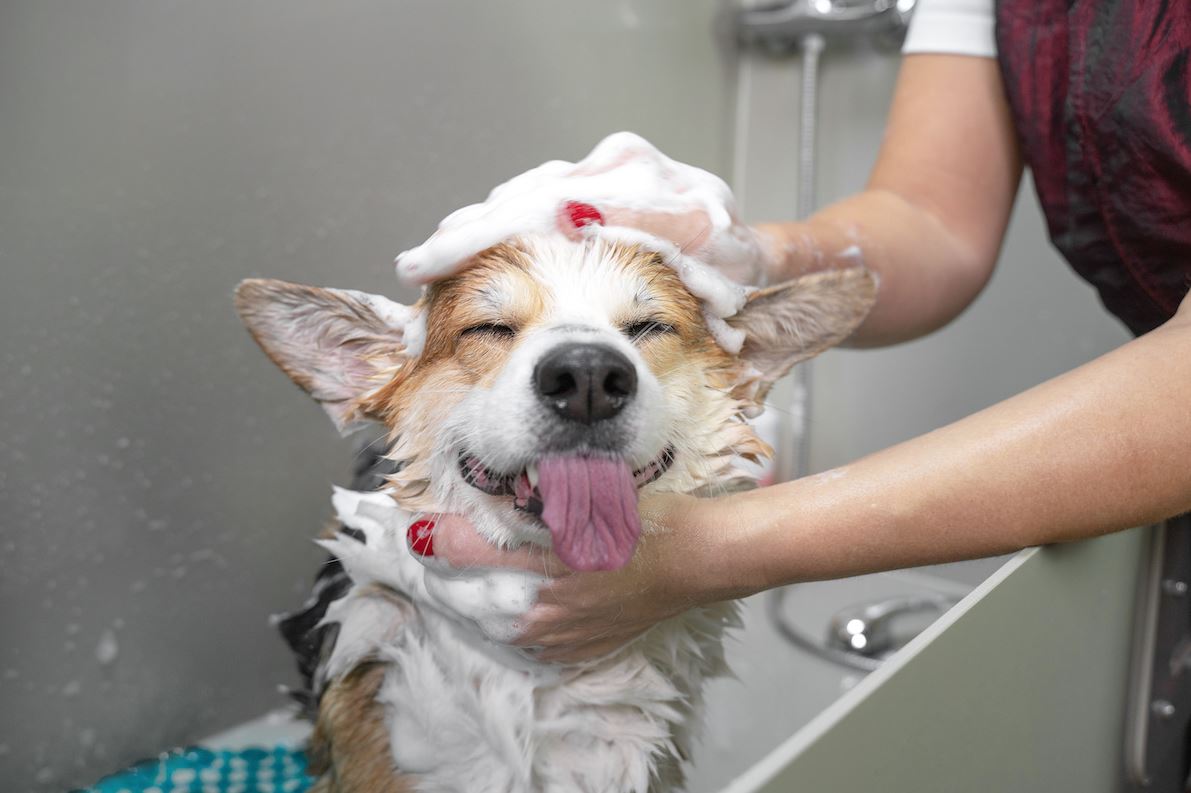
How Thoughtful Hygiene Practices Strengthen Health, Trust, and Daily Connection Between Pets and People
The Meaning of Clean Beyond Appearance
Cleanliness for pets is not merely an aesthetic choice. It is a reflection of health, comfort, and the bond between human and animal. While many associate hygiene with grooming or odor control, its importance reaches much deeper. The act of keeping a pet clean helps prevent infections, improves circulation, and reduces stress for both the animal and the caretaker. More importantly, it cultivates trust. When an owner takes time to gently brush, bathe, or examine a pet, that repetitive attention communicates care in the language of touch. It becomes less of a chore and more of a ritual of understanding. Each moment spent caring for a pet’s hygiene contributes to their long-term wellness and emotional stability.
In nature, animals maintain hygiene instinctively through grooming, rolling, or bathing in dust or water. Domesticated life, however, limits many of these behaviors. Pets rely on humans to maintain the cleanliness their ancestors achieved through instinct. This responsibility transforms hygiene into a shared commitment rather than an imposed task. The well-being of a pet depends not only on what they eat or where they live, but also on how consistently their care aligns with their natural rhythms. Cleanliness, when practiced mindfully, restores balance between instinct and nurture, allowing animals to thrive in human environments without losing their natural grace.
The Science Behind a Healthy Coat and Skin
The skin is a pet’s largest organ, serving as a barrier, regulator, and communicator. Beneath every glossy coat lies a complex network that reflects internal health. Dirt, oils, and environmental irritants accumulate easily, and without regular maintenance, they can disrupt natural functions. Grooming supports skin by distributing oils evenly and removing buildup that can trap bacteria. Regular brushing not only untangles fur but stimulates circulation and releases endorphins, creating calm through physical interaction. The health of fur and skin together acts as an indicator of diet, hydration, and emotional well-being. Dull coats, flaking, or excessive shedding often signal imbalance rather than surface issues.
Each species and breed presents unique requirements. Dogs with dense undercoats benefit from frequent brushing to prevent matting that restricts airflow, while cats require assistance during seasonal shedding to avoid hairballs and discomfort. For animals with sensitive skin, mild pH-balanced shampoos reduce irritation while preserving natural oils. Understanding the science behind these processes transforms grooming from guesswork into care informed by biology. What seems like a simple bath becomes an act of respect toward an intricate system that works tirelessly to protect the body beneath it.
The Role of Routine in Preventing Disease
Consistency is the quiet power behind pet hygiene. Irregular cleaning may offer temporary results, but true prevention depends on rhythm. Regular bathing, dental cleaning, and ear checks interrupt the progression of bacteria and parasites before symptoms appear. Many common illnesses in pets originate from neglecting small habits. Plaque buildup becomes infection, moisture trapped in ears leads to inflammation, and dirty bedding spreads unseen microbes. Routine hygiene acts as an invisible shield, catching problems early and reducing the need for medical intervention.
Establishing a routine begins with observation. Some animals tolerate frequent cleaning, while others benefit from longer intervals to maintain natural oils or microbial balance. Owners who learn to adjust frequency based on behavior and environment protect both health and comfort. The goal is not sterile perfection but harmony. When pets experience cleaning as gentle and predictable, they associate it with safety rather than discomfort. Over time, hygiene becomes an expression of consistency, a daily affirmation that care is not an obligation, but a natural part of living together.
The Overlooked Corners of Care
Beyond coats and claws, true hygiene extends to details often forgotten. Eyes, ears, and paws demand as much attention as fur. A pet’s eyes should be clear and free of discharge, their ears clean yet naturally lubricated, and their paws inspected for debris or irritation after outdoor activity. Neglect in these areas may lead to chronic discomfort that often goes unnoticed until advanced. Regularly wiping a pet’s face or checking between paw pads may seem trivial, but it prevents larger complications such as infections or allergies. Hygiene is as much about attention as it is about cleaning.
Environmental hygiene plays an equal role. Bowls, bedding, toys, and litter areas accumulate bacteria that directly impact a pet’s health. Disinfecting surfaces, washing fabrics, and replacing worn items reduce exposure to pathogens. Clean surroundings also influence behavior. Pets rest more peacefully and display fewer signs of anxiety in environments that feel fresh and cared for. The overlooked corners of care are often the quiet foundation of health, the unseen efforts that maintain balance without praise or recognition.
The Psychological Connection Between Cleanliness and Comfort
Animals experience hygiene through sensation. The feeling of brushed fur, trimmed nails, or smooth skin influences their confidence and mood. Grooming mimics natural behaviors that foster social bonding in wild species. Cats groom each other to strengthen social ties, while primates clean as an act of trust. Domestic pets respond similarly when handled gently during hygiene routines. They associate touch with reassurance and relaxation. This exchange builds familiarity, helping pets become more tolerant during veterinary visits or stressful changes in environment.
Hygiene also impacts behavior indirectly. Dirty coats, matted fur, or dental discomfort can lead to irritability or withdrawal. Clean, well-cared-for pets exhibit greater sociability and resilience. The link between cleanliness and emotional health demonstrates that hygiene is not vanity, it is welfare. When an animal feels physically at ease, their energy shifts toward curiosity, play, and affection. For caretakers, these visible signs of well-being reaffirm that every small act of cleaning contributes to harmony that extends beyond physical health.
The Evolution of Tools and Techniques
Pet hygiene has evolved alongside veterinary science and design. Once limited to combs and soap, modern care now includes specialized tools that address specific needs. Deshedding brushes replicate natural grooming motions, while nail grinders provide safer trimming alternatives. Shampoos contain botanicals and probiotics that nurture skin microbiomes. Toothbrushes designed for animal mouths simplify dental care without causing resistance. These innovations transform hygiene into precision care, adapting to the individuality of each animal.
Technology continues to expand possibilities. Automated cleaning systems for aquariums, self-cleaning litter boxes, and air-purifying pet dryers illustrate the merging of innovation with empathy. Yet, even as tools advance, human touch remains irreplaceable. Machines can clean, but they cannot comfort. The art of hygiene lies in combining technique with sensitivity. The success of any routine depends not on products but on presence, the willingness to slow down, to notice texture, scent, and response, to make every action intentional rather than mechanical.
Integrating Hygiene Into Everyday Living
For most households, the challenge is not knowledge but consistency. Integrating hygiene into daily life ensures longevity and ease. Short, frequent actions often prove more effective than infrequent deep cleaning. A quick brushing session, paw inspection, or ear wipe can prevent long-term issues. When care becomes habitual, it no longer feels burdensome. This rhythm benefits both caretaker and pet, transforming routine maintenance into shared time. Regular hygiene sessions also serve as health checkpoints, allowing early detection of lumps, cuts, or behavioral changes that might otherwise go unnoticed.
In multi-pet homes, hygiene takes on a communal aspect. Managing shared spaces like bedding or feeding areas requires coordinated cleaning to maintain harmony. Each animal’s habits affect the others. The effort to maintain balance in shared hygiene reinforces discipline and empathy in human caretakers. Over time, these small rituals shape a living environment where health feels natural rather than forced, a space where cleanliness becomes a quiet expression of respect for life.
The Cultural Shift Toward Holistic Care
The modern approach to pet hygiene reflects a larger transformation in how society views animals. What was once considered luxury has become integral to wellness. Grooming salons, veterinary spas, and eco-conscious pet care products illustrate the growing recognition that hygiene supports more than surface appearance. Holistic pet care integrates physical, emotional, and environmental health, acknowledging that cleanliness contributes to each. Pet owners now seek products that align with sustainability, using biodegradable wipes, organic shampoos, and cruelty-free formulations. Clean care has evolved into ethical care, merging compassion with responsibility.
Public awareness continues to rise as education spreads through online communities, veterinarians, and social platforms. Hygiene discussions now include mental stimulation, nutrition, and habitat enrichment. This shift signifies maturity in human-animal relationships, a recognition that wellness cannot be fragmented. The pet care industry reflects this by designing tools and services that honor individuality while maintaining harmony with nature. The evolution of hygiene is ultimately an evolution of empathy, bridging practical necessity with emotional connection.
The Gentle Art of Sustaining Life
At its core, pet hygiene is an act of preservation. It preserves comfort, health, and the invisible bond shared through daily care. Beyond shampoos and brushes lies something elemental, a quiet promise to protect another being with consistency and grace. Cleanliness becomes ritual, and ritual becomes trust. The gentle art of sustaining life thrives in every moment spent wiping paws, brushing fur, or washing bowls. These small actions speak of respect for the simple miracle of coexistence. In caring for the smallest details, people honor the essence of companionship itself, ensuring that love remains visible in every clean coat, every calm breath, and every moment of peace that follows.