

Paths We Wander Together
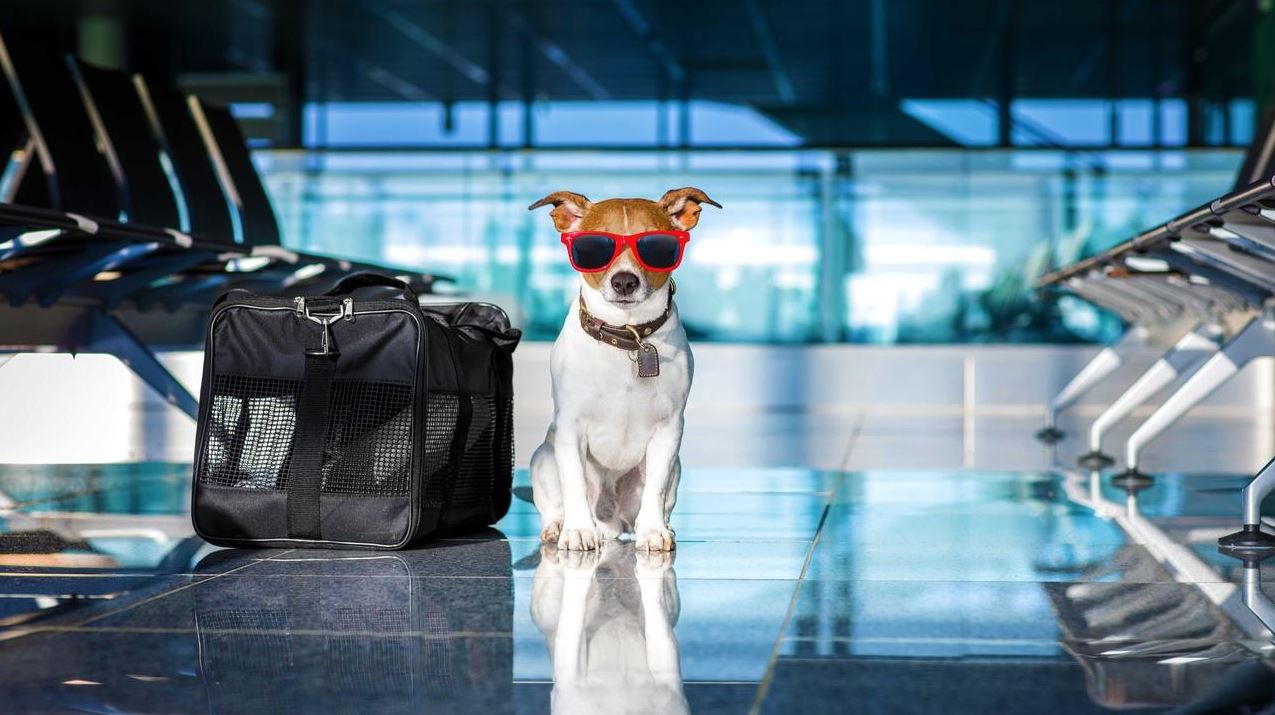
Finding Freedom, Comfort, and Connection in the Journeys We Share With Our Animals
The First Steps Toward Shared Adventure
Every journey begins with a quiet decision to move together. When a traveler chooses to bring their companion along, the road changes meaning. A destination becomes less about arrival and more about presence, about the shared experience of discovery. Traveling with pets transforms routine motion into mutual exploration. The rhythm of the trip slows to match the pace of paws, wings, or whiskers. Each pause becomes a chance to notice life more closely, a new scent, a texture underfoot, or the sound of wind shifting through unfamiliar trees. In this way, pet-friendly travel is not simply convenience, it is connection written into movement. To travel with an animal is to remember that comfort and curiosity can coexist, and that joy often lives between the steps rather than at the end of them.
Planning begins long before the car door closes or the plane departs. It starts with awareness, of needs, limits, and shared trust. Packing essentials, checking regulations, and choosing destinations all stem from the same quiet care that defines companionship. The success of the journey rests not in spontaneity but in understanding. Every thoughtful preparation becomes an act of love, ensuring safety and calm. Whether it’s selecting a route with shaded rest areas or researching hotels that welcome pets with open hearts, the preparation shapes the story. In that care lies the first victory of the road ahead: the promise that no one will travel alone.
Preparing for the Long Road
Preparation defines the difference between stress and serenity. For those who travel with animals, readiness becomes an art form. It begins with comfort, choosing carriers that fit body size, materials that breathe, and bedding that holds familiar scents. The comfort of recognition calms anxiety, turning foreign environments into extensions of home. Food and hydration follow, requiring consistency to maintain health and energy. Reusable water bottles, collapsible bowls, and carefully measured portions maintain balance while reducing waste. Even more vital is the inclusion of medical essentials: prescriptions, vaccination records, and emergency contact details for veterinarians along the route.
Equally important is emotional readiness. Pets sense change with uncanny sensitivity. Calm owners nurture calm companions. Introducing travel gear at home helps build familiarity, letting animals explore carriers or harnesses before departure prevents fear. The goal is confidence through understanding. The traveler learns to anticipate discomfort before it arises, adapting plans to maintain harmony. Every journey becomes a reflection of empathy and flexibility. In the act of preparation, both traveler and pet learn the rhythm of coexistence, a rhythm that will guide every mile to come.
The Road as Shared Experience
On the open road, the bond between human and animal deepens in subtle ways. The car hums, landscapes blur, and every mile becomes a shared silence that feels alive. The act of travel dissolves distraction, leaving only rhythm and companionship. Dogs rest their heads on window sills, watching fields roll by. Cats, tucked safely in carriers, observe the movement through soft eyes of trust. The road becomes an ever-changing tapestry of light and scent. With each rest stop or trail walk, both traveler and companion reconnect with the physical world, grounded by curiosity.
Long drives demand breaks not for convenience but for restoration. Stopping to stretch, hydrate, and breathe gives both bodies and minds time to adjust. Many rest areas now accommodate pets, offering safe spaces for exploration. Travelers discover that patience creates peace, and that the journey’s beauty lies not in speed but in shared presence. Through these experiences, animals teach what travel often forgets, that wonder is not measured in miles but in awareness. The road, when shared with a companion, becomes less about escape and more about return, to connection, to gratitude, to the simple joy of being alive together.
Staying Together in Comfort
Accommodation defines rest as much as the road defines movement. The modern traveler no longer faces the barrier of “no pets allowed.” Hotels, lodges, and rentals across the world recognize that comfort expands when shared. Pet-friendly accommodations have evolved beyond tolerance into hospitality. Rooms are prepared with special bedding, food stations, and outdoor areas for play. Staff members welcome guests with treats, care instructions, and sometimes even personalized amenities like pet menus or walking services. This shift reflects a deeper cultural change: the recognition that animals are family, not luggage.
For travelers, choosing the right stay requires mindfulness. Reading reviews from fellow pet owners reveals hidden strengths and weaknesses, noise sensitivity, cleaning policies, or proximity to green spaces. Responsible guests respect shared spaces, maintaining cleanliness and calm to ensure future travelers are welcomed too. In return, pets adapt to new environments with grace, comforted by routine and their owner’s presence. Resting together after long hours of motion reinforces trust. It becomes a reminder that the world, though wide and unfamiliar, still offers places that feel like home.
Exploring the World Through Shared Curiosity
Exploration takes many forms. For pets, it often begins with scent, texture, and movement. Trails become libraries of information, beaches become canvases of scent and sound, and parks turn into playgrounds of discovery. To witness an animal explore freely yet safely is to understand joy in its purest form. Every wag, chirp, or stretch speaks of engagement with life. For humans, this shared curiosity rekindles wonder long forgotten. The traveler learns to move slower, to notice details that hurry often hides, the warmth of sand, the echo of waves, or the shifting colors of sky reflected in fur and eyes.
Pet-friendly travel is not merely about destinations but about perspective. It transforms ordinary landscapes into shared narratives. A city square becomes an adventure in texture and smell, a forest trail becomes a quiet dialogue between instinct and awareness. Together, travelers discover that beauty lies not only in sights but in presence. Each shared exploration deepens connection, teaching that joy is not a product of novelty but of companionship. The world feels less like a place to conquer and more like a space to experience side by side.
The Responsibility of Traveling Kindly
Kind travel means conscious travel. The decision to bring a pet carries ethical weight. Respect for others, both human and animal, defines responsible companionship on the road. This begins with awareness of regulations, local laws, leash rules, and protected habitats. Ignorance can harm ecosystems or provoke fear in communities unfamiliar with animal travelers. Responsible owners research before arrival, ensuring that every experience respects both environment and culture. Cleanliness follows naturally. Carrying waste bags, avoiding restricted areas, and maintaining control during exploration prevent harm to wildlife and maintain goodwill among other travelers.
Traveling kindly also means patience with those who may not understand. Not every space or person is comfortable with animals, and that boundary must be honored. The spirit of pet-friendly travel is inclusion through respect, not entitlement. By setting positive examples, travelers contribute to a growing global culture of acceptance and care. When kindness guides each step, travel becomes more than leisure, it becomes advocacy, proving that coexistence between humans and animals is not just possible but profoundly meaningful.
Moments That Become Memory
Every journey writes a story that lives far beyond photographs or souvenirs. Memories of travel with a pet are shaped by simplicity: the first morning walk in an unfamiliar town, the quiet nap under a tree, the laughter shared when a curious nose finds something unexpected. These are the details that linger long after the trip ends. Animals live entirely in the present, and through them, humans rediscover that presence. The act of remembering becomes inseparable from gratitude. It reminds the traveler that joy is not stored in destinations but in fleeting experiences that shape companionship.
Even challenges, missed flights, sudden rain, or detours, become part of the narrative. What might frustrate becomes meaningful because it was shared. The world feels larger and gentler when seen through two perspectives. Time stretches differently when lived with awareness. Looking back, the traveler realizes that these journeys are not escapes but returns, to empathy, patience, and affection. The footprints left behind are not just physical but emotional, marking a path that can never be erased.
The Journey That Never Truly Ends
When the road quiets and the return begins, something subtle remains changed. Pet-friendly travel does not end with the trip itself. It reshapes the traveler’s understanding of companionship. The bond between human and animal deepens, strengthened by shared experience and mutual trust. At home, the sound of a collar or the sight of a leash carries new meaning, reminding both of the freedom once shared. In every quiet evening and every soft sigh of rest, echoes of those open roads remain. The journey continues, not across miles, but within the heart. It becomes part of a larger promise, that wherever life leads, we will walk it together, one step, one paw, and one heartbeat at a time.