

The Gentle Fight to Keep the Planet Alive
The Living Continuum of Earth’s Wild Breath and the Hands That Guard Its Future
The Symphony Beneath the Canopy
Across every forest and field, life hums in quiet synchrony, a vast orchestra of unseen rhythms that define the planet’s balance. Every rustle of leaves, wingbeat, and pawprint carries purpose. This living symphony sustains the oxygen we breathe, the water we drink, and the food we harvest. Yet many hear only fragments of its song. Wildlife conservation exists to preserve that music, to keep the pulse steady amid the noise of progress. The task is not merely scientific but spiritual, a recognition that our survival is interwoven with that of every creature that shares our planet. The fox in the brush and the eagle above the mountain each play their part in a melody older than civilization itself.
To walk within nature’s embrace is to glimpse the intricate relationships that make life resilient. Predators control balance, pollinators sustain growth, and decomposers restore soil fertility. Every ecosystem thrives on cooperation disguised as competition. Conservation, therefore, is not just about saving species but preserving systems. It is a pledge to defend the choreography of existence from vanishing under the weight of human ambition. Each protected habitat, each restored wetland, becomes a verse in the ongoing song of life, a song that demands listening, respect, and continuity.
The Fragility Hidden in Abundance
The natural world gives the illusion of permanence, but beneath that surface lies extraordinary fragility. Populations that appear vast can collapse silently. Coral reefs, once sprawling and vibrant, fade into bone-white graveyards. Forests stretch endlessly until they vanish overnight under the blade of deforestation. The abundance that once defined the Earth now hangs by threads woven from human decisions. When a single species disappears, the loss ripples outward, disturbing webs of interdependence that took millennia to form. The extinction of a bee affects the fruit, the bear that eats it, and the soil that nurtures it. Each loss is an unraveling of biological poetry.
This fragility becomes clearer as climate shifts and habitats shrink. Rising temperatures push species toward unfamiliar territories, while pollution poisons the air and water that sustain them. The line between adaptation and extinction grows thinner each year. Understanding this vulnerability requires acknowledging that nature’s endurance has limits. It cannot endlessly absorb human disruption without consequence. To preserve wildlife, we must first abandon the illusion of dominance. We are caretakers, not conquerors, participants in a system that functions only through balance and restraint. The fragility of abundance reminds us that protection is not optional but essential to our shared survival.
The Human Footprint and Its Shadows
Every human endeavor leaves a trace upon the Earth. The cities we build, the energy we consume, and the goods we trade all echo through the natural world. Roads cut migration routes, lights confuse nocturnal species, and plastics invade oceans once thought boundless. The shadow of humanity stretches into every biome, altering patterns that evolved over millions of years. Yet within that shadow lies the capacity for reflection. Awareness marks the beginning of change. To recognize impact is to accept responsibility, and from responsibility grows the will to act.
Modern conservation faces the paradox of coexistence. Humanity cannot withdraw from the planet it inhabits, but it can learn to tread with intention. Urban planning that includes green corridors, sustainable agriculture that honors biodiversity, and energy systems that minimize waste all represent steps toward harmony. The challenge is monumental but not insurmountable. Change begins at the level of habit, expanding outward into policy and culture. The collective footprint can shrink when individuals choose mindfulness over convenience. Each action becomes a ripple of restoration, proof that shadows fade when light returns through awareness and will.
The Guardians of the Wild
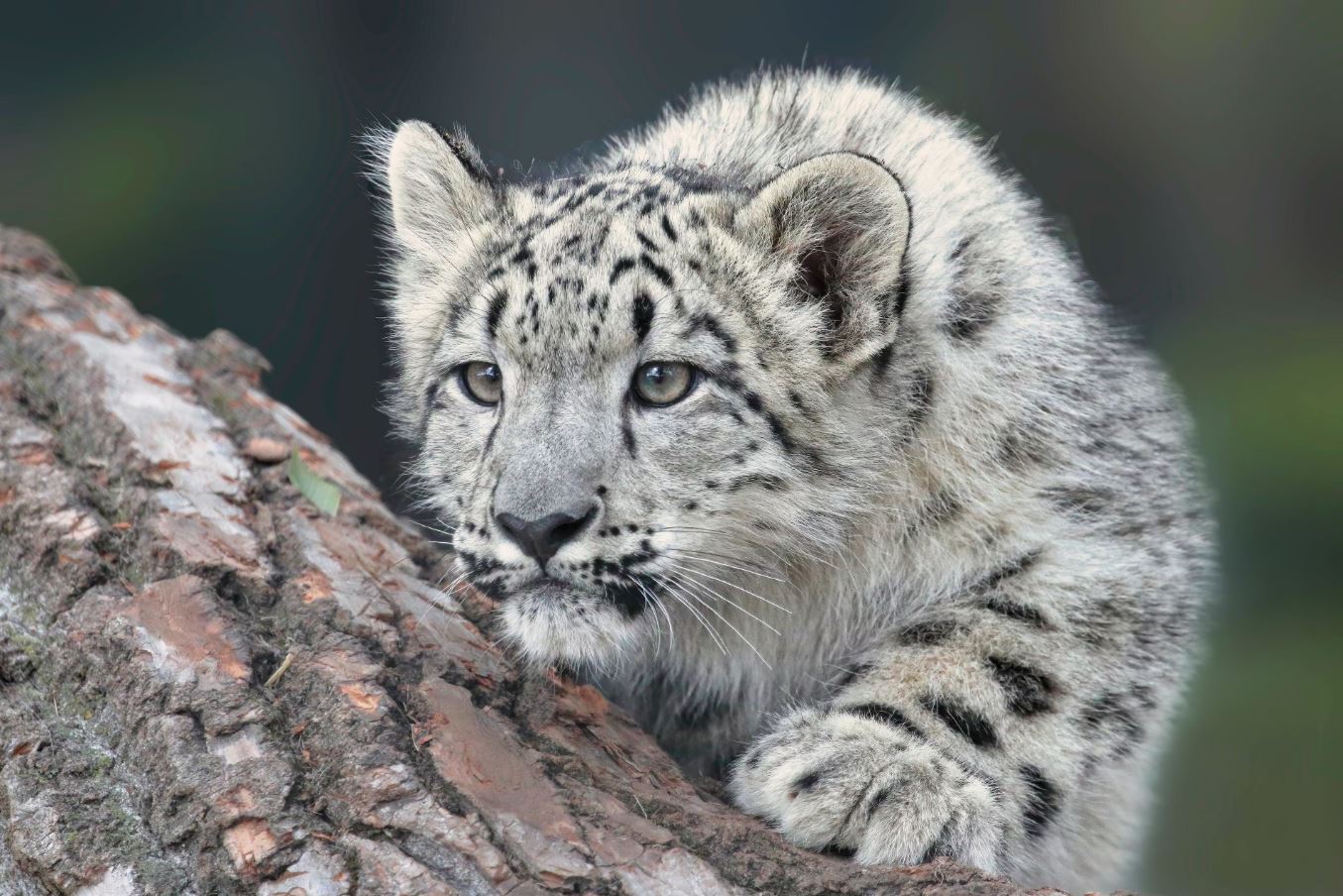
Across continents, an invisible army of conservationists dedicates their lives to defending what cannot speak for itself. From scientists tracking elusive snow leopards to rangers patrolling vast savannas, each plays a role in the protection of biodiversity. Their work extends beyond research and enforcement. It encompasses education, policy advocacy, and community collaboration. Conservation thrives not in isolation but in connection, relying on networks of passion that stretch across species and borders. The ranger walking through a rainforest and the student planting trees in a city share the same mission, to ensure that the wild remains more than memory.
Yet these guardians face immense challenges. Funding remains scarce, risks are high, and results often unfold over decades. Success may be measured not in triumph but in persistence. For every animal saved, countless more remain in peril. Still, they continue, driven by the belief that each act of preservation contributes to something greater. The work demands sacrifice and courage, often under dangerous conditions. Their quiet dedication reminds humanity that conservation is not a temporary project but a lifelong commitment to coexistence. In their hands, the wilderness finds defenders who embody both science and empathy.
Communities as Architects of Renewal
The most effective conservation movements begin with the people who live closest to the land. Indigenous and local communities hold ancestral knowledge of ecosystems that modern science is only beginning to rediscover. They understand the pulse of seasons, the migration of herds, and the harmony between use and respect. When conservation empowers these voices rather than silencing them, transformation occurs. Projects that integrate cultural wisdom with ecological science achieve balance that purely external interventions rarely sustain. Coexistence becomes partnership rather than imposition.
Community-driven conservation reshapes the idea of ownership. Wildlife becomes shared heritage rather than distant spectacle. Ecotourism, sustainable farming, and habitat restoration bring tangible benefits, aligning livelihoods with preservation. Education multiplies the effect, teaching new generations that stewardship is not sacrifice but continuity. When people see their future reflected in the health of their environment, commitment deepens. The forests thrive when the hands that depend on them are given agency. This fusion of tradition and innovation proves that protection flourishes not through control but through collaboration grounded in respect.
The Role of Science in the Wild’s Recovery
Behind every successful conservation story lies meticulous research and unwavering patience. Science translates the language of ecosystems into actionable insight. Satellite imaging reveals deforestation in real time, genetic studies uncover hidden diversity, and behavioral tracking informs strategies for protection. These tools turn observation into intervention, enabling humans to repair what they once damaged. Yet science alone cannot inspire change without empathy. Data provides direction, but emotion fuels purpose. Conservation succeeds when knowledge and compassion walk together, each enhancing the other’s reach.
Reintroduction programs exemplify this partnership. Species once thought extinct, such as the Arabian oryx and California condor, return to their native ranges through careful study and monitoring. Successes like these highlight humanity’s capacity not just for harm but for healing. However, scientific triumphs remain fragile without continued vigilance. The future of conservation science lies in integration, connecting ecology, climate study, and technology into a holistic approach. In this framework, the wilderness becomes both subject and teacher, guiding researchers toward harmony rather than dominance. Through science grounded in empathy, recovery becomes a living dialogue between understanding and responsibility.
The Pulse of Change Through Education and Awareness
Awareness acts as the seed from which conservation grows. Knowledge reshapes perception, turning apathy into advocacy. Education not only informs but empowers individuals to act within their own sphere of influence. When children learn the value of a single tree, they grow into adults who defend forests. When communities understand the balance of ecosystems, they become protectors rather than exploiters. Campaigns, documentaries, and classroom programs cultivate empathy that transcends boundaries. The power of awareness lies in its ability to transform distant concern into immediate connection.
Technology amplifies this transformation. Social media spreads images of endangered habitats to millions, while digital tools allow anyone to support restoration efforts with a click. The world becomes smaller, and accountability grows larger. Awareness nurtures responsibility not through guilt but through inspiration. It reminds humanity that the wild is not elsewhere, it surrounds us, breathes with us, and sustains us. Education gives voice to the silent, inviting all to participate in a movement that belongs to everyone. The pulse of change begins in understanding, and through it, the wild finds new defenders every day.
The Balance Between Protection and Progress
Conservation often collides with development, creating a tension between need and responsibility. Expanding cities and industries demand space, while wildlife requires territory to survive. The challenge lies in redefining progress itself. True progress measures not only economic gain but ecological endurance. It asks how growth can coexist with preservation. Sustainable development emerges as the bridge between these priorities. By integrating environmental ethics into urban design, energy production, and agriculture, humanity can pursue prosperity without erasing its foundation.
Examples of this balance already exist. Green architecture reduces carbon footprints, renewable energy lessens habitat destruction, and wildlife corridors reconnect fragmented landscapes. Governments, businesses, and citizens share the burden of creating systems that sustain rather than consume. Progress must evolve from extraction to regeneration, from consumption to coexistence. This shift requires courage, the courage to choose long-term preservation over short-term profit. In redefining progress, conservation becomes not opposition to growth but its refinement, ensuring that the legacy of achievement includes the endurance of life itself.
When the Wild Teaches Us to Endure
In every preserved forest, every rescued species, and every revived landscape lies a lesson about endurance. The natural world continues despite adversity, adapting and rebuilding with quiet determination. Humanity can learn from that resilience. Conservation is not merely an act of protection but a reflection of identity. To guard the Earth is to guard the essence of life within ourselves. Each creature saved, each habitat restored, becomes a testament to hope’s persistence. The wild teaches us that survival is not conquest but coexistence, not isolation but unity. Its pulse remains steady through storm and silence, whispering that as long as we remember our place within it, the song of the Earth will never fade.