

The Wild That Exists Only for a Second
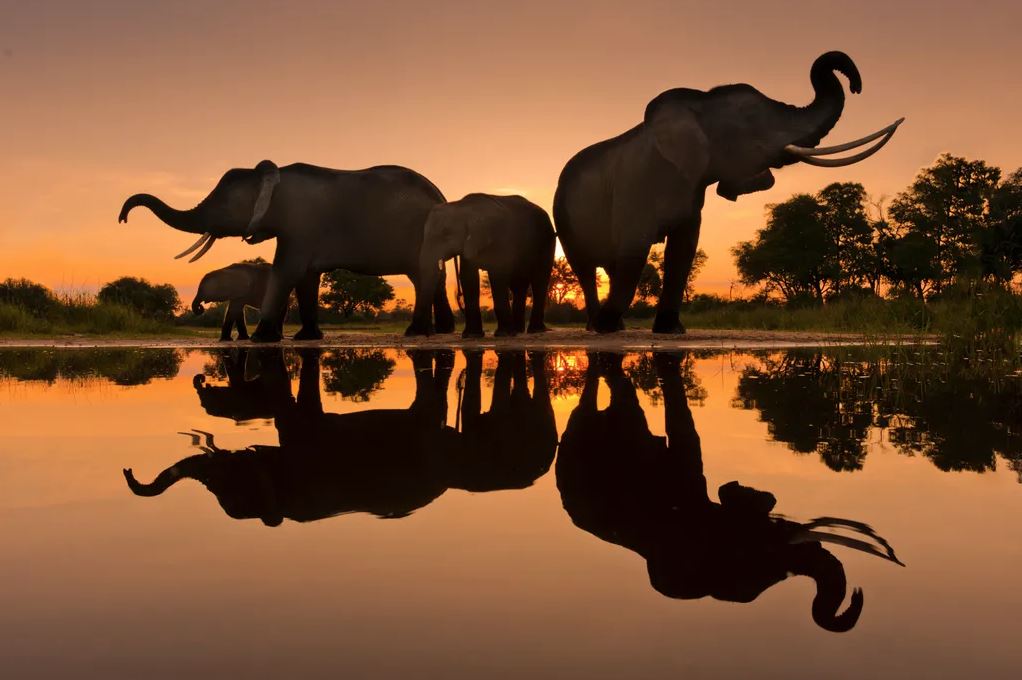
A Journey Through Silence, Patience, and the Living Art of Seeing the Unseen
The Stillness Before the Shutter
Before every photograph of the wild there is stillness. It begins not with a click but with a pause, a moment in which the photographer dissolves into the landscape. The forest hums with quiet electricity, and the camera becomes an extension of breath. Wildlife photography is an act of reverence before it is an act of skill. It requires not only technical mastery but humility before nature’s unpredictability. Animals move according to rhythms that no human can choreograph. Light shifts without warning, wind distorts focus, and patience stretches across hours or days. In these intervals of waiting, the photographer learns to see the world not as observer but as participant, invited into moments that exist only through respect and restraint.
To capture life in its raw form is to surrender control. Wildlife photography is not about perfection but presence. Each image tells of endurance, the quiet battle between time, instinct, and attention. The stillness before the shutter teaches awareness, reminding us that life unfolds on its own terms. To stand in the wild with camera in hand is to acknowledge that every frame is borrowed from something greater, something that moves beyond ownership or artistry. It is a pact between watcher and the watched, bound by patience and wonder.
The Dance Between Light and Life
Light is the soul of every photograph. In the wild it behaves like a living entity, unpredictable and emotional. Morning light glides gently across the surface of leaves, revealing dew as jewels. Noon light burns fiercely, testing exposure and texture. Dusk, however, holds the kind of magic that photographers chase for lifetimes. It softens edges, blurs boundaries, and paints everything in shades of farewell. The relationship between light and life in wildlife photography is intimate and fluid. It demands adaptation, for no scene will ever repeat itself in the same illumination. The camera becomes translator between vision and moment, preserving the transient language of sunlight.
Mastering light is both science and intuition. Aperture and shutter speed control mechanics, but emotion controls timing. The greatest wildlife photographers do not impose light upon their subjects. They follow it, study it, and learn how creatures respond within its shifting presence. A heron silhouetted against a fading sky or a tiger emerging from shadow embodies a collaboration between natural rhythm and human observation. The result is not documentation but dialogue, where light becomes the storyteller and the subject its listener.
The Patience of the Observer
Patience is the invisible foundation of every successful encounter with wildlife. Unlike controlled environments, nature resists scheduling. Hours pass unnoticed, waiting for a single motion, a single glance, a single alignment of creature and light. The practice demands physical endurance, mental stillness, and emotional steadiness. Many photographers spend days tracking a species through changing weather, carrying heavy equipment through difficult terrain, guided only by instinct and persistence. The reward is not guaranteed, which makes it sacred when it arrives. The photograph becomes proof of patience rewarded, of harmony earned rather than imposed.
Patience also transforms perspective. It teaches empathy, forcing the photographer to move in tune with the environment rather than against it. Animals sense urgency as threat, but patience communicates peace. The act of waiting dissolves barriers, allowing wild creatures to return to their natural behavior. In that quiet acceptance lies authenticity. The best photographs are not those where animals pose, but those where they forget the human presence entirely. To wait without expectation is to learn that beauty appears not when demanded, but when invited through stillness.
The Ethics of Seeing Without Disturbing
Every wildlife photographer carries an ethical burden. The camera’s gaze, while creative, can also intrude. To capture an image is to approach a boundary between observation and interference. Responsible photography respects that line, ensuring that curiosity never outweighs compassion. The first rule of the craft is simple: take nothing but pictures, leave nothing but footprints, and cause no harm. Flash, proximity, or loud movement can disrupt feeding, mating, or migration behaviors. The consequences of ignorance can last far beyond a single photograph. Ethical photographers understand that their work should protect, not endanger, the lives it portrays.
Modern technology amplifies both opportunity and risk. Drones offer perspectives once impossible, yet they also introduce noise and intrusion. The photographer must decide when technology serves storytelling and when it crosses into exploitation. True artistry lies in discretion. To photograph a lioness nursing her cubs or a bird building its nest is a privilege that demands gratitude, not entitlement. Each frame should honor the subject, preserving dignity rather than dominance. Ethics transform wildlife photography from a hobby into a moral practice, a reminder that every image carries responsibility as well as beauty.
The Language of the Wild Through the Lens
Every species speaks a language of movement and sound. To photograph them is to learn that language without translation. A photographer reads body posture like sentences, interprets calls as punctuation, and recognizes silence as space. Understanding this unspoken grammar allows one to predict behavior without intrusion. It becomes a form of empathy, where instinct replaces command. When an elephant lifts its ears or a bird flicks its tail, these gestures reveal moods and intentions. Anticipating them creates opportunities for connection that technology alone cannot achieve.
Some of the most captivating images arise from understanding rhythm rather than chasing motion. A wolf turning its head toward a sudden breeze, a deer pausing to listen, or a whale breaching under shifting clouds, all of these moments are conversations between instinct and environment. The photographer’s task is not to control the dialogue but to listen deeply enough to translate it into image. Through this understanding, wildlife photography ceases to be mere observation and becomes participation, a shared moment of awareness where human and animal briefly exist within the same sentence of nature’s language.
The Craft of Equipment and Adaptation
Behind every graceful image lies a foundation of technical precision. Cameras, lenses, tripods, and filters form the toolkit through which creativity finds focus. Yet technology alone cannot produce connection. Equipment adapts to environment just as the photographer adapts to unpredictability. Long telephoto lenses capture distant subjects, but they also demand steadiness and patience. Fast shutters freeze movement, but slow exposures reveal light as art. Knowing when to use each requires intuition built through experience. Mastery lies not in owning the most advanced gear, but in understanding how to align its potential with the rhythm of nature.
Adaptation also extends to physical endurance and environmental awareness. The wild is rarely comfortable. Photographers face humidity, cold, altitude, and exhaustion, often for the sake of seconds of opportunity. Success depends on preparation, protecting gear from moisture, packing lightly yet efficiently, and respecting the limitations of the body. Adaptation becomes philosophy: adjust to what is rather than forcing what is not. The craft teaches humility, proving that the photographer must evolve alongside the environment. In this balance of readiness and surrender, the equipment becomes not a barrier but a bridge to intimacy with the natural world.
The Story Beyond the Frame
Each photograph captures an instant, but its meaning extends far beyond the borders of the image. Wildlife photography serves as both art and advocacy, revealing beauty that inspires protection. A single image can awaken empathy, spark conservation efforts, or shift public perception. The power of storytelling lies not only in what is seen but in what is felt. A frozen moment of struggle, affection, or survival tells of worlds often ignored. The viewer becomes participant, drawn into the shared responsibility of safeguarding what remains wild.
Photographers act as translators of truth, using composition and timing to communicate emotion without words. They remind us that the planet’s health is inseparable from its inhabitants’ survival. By witnessing animals in their natural context, we are reminded that fragility and strength coexist. The camera, in this sense, becomes an instrument of remembrance. Each photograph stands as a fragment of history, preserving moments that may one day exist only in memory. Through visual storytelling, wildlife photography bridges awareness and action, ensuring that awe evolves into care.
The Reflection Within the Observer
Perhaps the greatest lesson wildlife photography offers is not about animals but about ourselves. The patience it demands softens arrogance, the silence it requires deepens presence, and the unpredictability it reveals humbles certainty. Standing in the wild, waiting for the perfect alignment of light and life, the photographer faces the limits of control. In that surrender, introspection unfolds. The act of observing teaches empathy, reminding humanity of its place within, not above, nature’s fabric. Every successful image carries not just the imprint of its subject but the reflection of the one who captured it.
To witness a creature in its natural state is to glimpse freedom unfiltered. It mirrors what civilization often forgets, the simplicity of existence and the dignity of survival. Wildlife photography invites both humility and gratitude, revealing that beauty is not created but recognized. The more deeply we look, the more we see that the lens does not separate us from the world; it brings us closer to it. Each photograph becomes a reflection of coexistence, a mirror held up to remind us that the wild is not elsewhere, it is part of who we are.
The Eternal Frame of the Living World
In the end, wildlife photography is an act of devotion. It preserves fleeting grace, honors the unseen, and bridges silence with sight. Every image whispers the same truth: that life, in all its fragile brilliance, deserves witness. The wild does not pose or perform; it simply exists, and through the lens, that existence becomes timeless. The photographer’s greatest reward is not the picture itself but the privilege of having been present. Within every frame lies the eternal reminder that beauty endures, not through control or capture, but through reverence. To photograph the wild is to say quietly, this moment mattered, and in remembering it, we keep the Earth alive.