

Preserving the Integrity of Farming in a Changing World
The Subtle Harmony Between People, Animals, and the Land That Sustains Them
The Rhythm of Rural Life
Farm life has its own pulse, slow yet consistent, measured not by hours but by seasons. Each morning begins not with alarms but with sound, the gentle murmur of cattle, the crow of a rooster, the distant bleat of goats calling across misty fields. These sounds do not interrupt the silence of dawn, they complete it. For those who live close to the soil, time is circular. Tasks repeat, yet each repetition holds new meaning, as if the land itself remembers every step and breath. The animals that inhabit this rhythm are not simply resources, they are partners in a shared existence that stretches back to the beginning of agriculture.
Farm animals shape human life as much as humans shape theirs. The bond between the two is ancient and pragmatic, yet deeply emotional. Cows grazing under open skies, chickens scratching at the soil, and horses moving through pasture are not isolated lives, they are parts of a living cycle that connects nourishment, care, and respect. The rhythm of rural life depends on trust, patience, and understanding that no effort stands alone. Each action feeds into another, forming a balance that sustains both the human hand and the animal heart.
The Wisdom of Domesticity
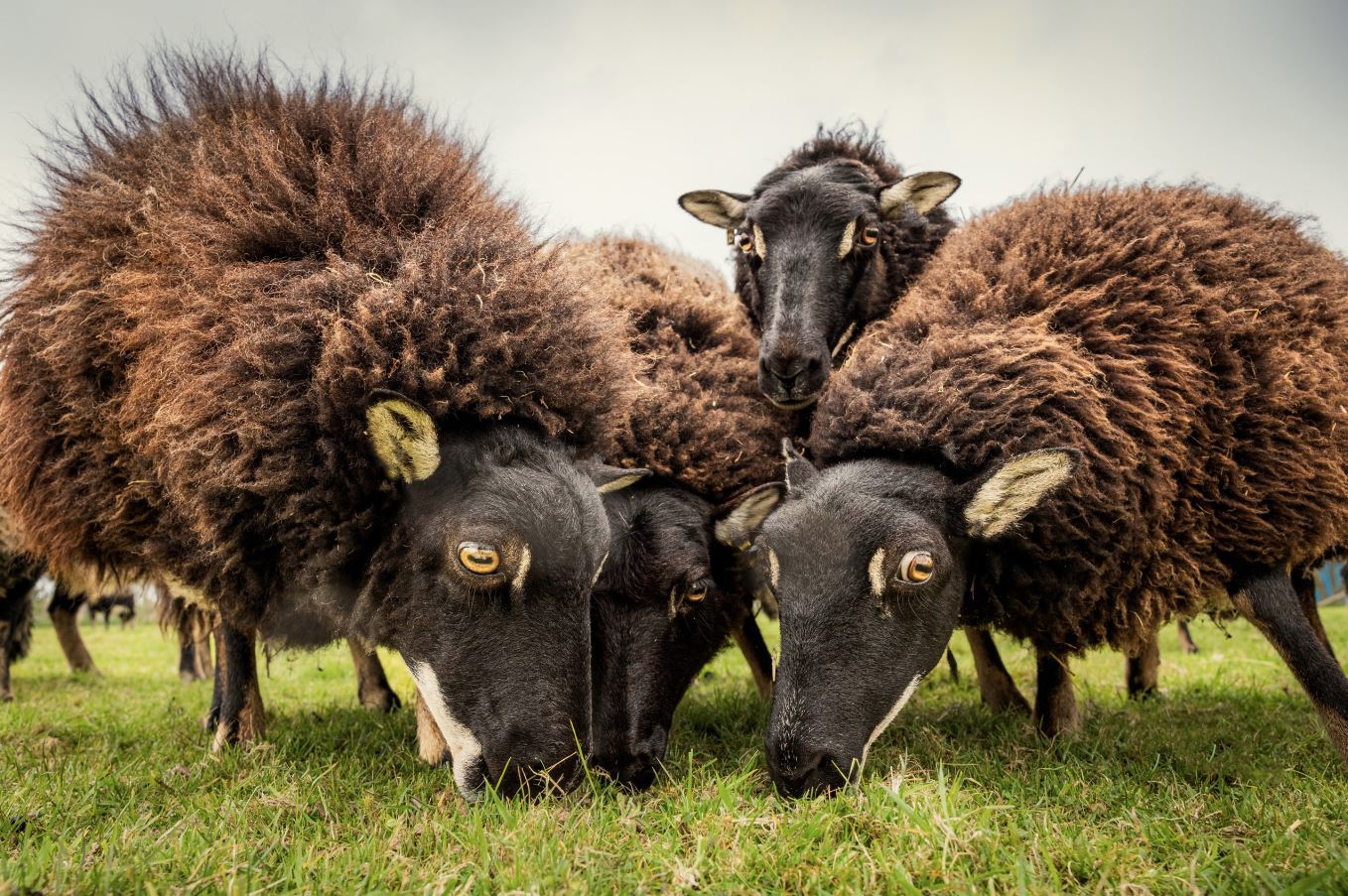
To raise animals well is to study them as teachers rather than possessions. Every species on a farm reveals something about the nature of adaptation. Chickens teach vigilance, responding to the slightest shadow or shift in air. Cows demonstrate patience, following quiet routines that regulate the farm’s pulse. Pigs show intelligence and curiosity, turning the simplest environment into a landscape of discovery. Sheep, often misunderstood for their docility, model unity and instinct. Together they create an ecosystem of behavior that mirrors humanity’s own diversity.
Farmers who work with animals daily learn to read their expressions as clearly as words. The tilt of an ear, the rhythm of breathing, or the softness in a gaze communicates need, comfort, or unease. These unspoken exchanges replace language with empathy. Over time, the distinction between caretaker and companion blurs. The relationship becomes less about control and more about cooperation. The wisdom of domesticity lies in humility, understanding that tending life requires respect for its independence. The greatest caretakers are those who know when to intervene and when to simply observe.
The Changing Landscape of Agriculture
Modern farming stands at a crossroads between tradition and technology. Where once manual labor and instinct guided decisions, today sensors, data, and automation shape efficiency. Yet, despite innovation, the heart of farming remains grounded in living beings. Machines can track feeding patterns or regulate temperature, but they cannot feel the weight of trust in an animal’s eyes. The human element continues to define the relationship, preserving the ethical and emotional foundations that have always supported the work.
In some regions, farms have transformed into sanctuaries that blend agriculture with conservation. Small-scale farmers adopt regenerative practices that heal the land rather than exhaust it. Rotational grazing, natural composting, and humane husbandry reflect an evolving understanding of balance. Technology serves as a tool rather than a replacement. Drones may survey fields, but the farmer still kneels to examine the soil with bare hands. The shift from industrial models to sustainable ones represents not regression, but rediscovery, a return to the harmony that once defined farming life.
The Emotional Intelligence of Herds and Flocks
Science continues to uncover the depth of intelligence and emotion present in farm animals. Cows form friendships and grieve loss. Sheep remember faces and respond to individual human voices. Pigs play, learn, and solve problems with creativity that rivals that of dogs. Chickens navigate complex social hierarchies and communicate through dozens of distinct sounds. Each revelation challenges outdated assumptions about instinct versus consciousness. What emerges is not a hierarchy of species, but a spectrum of awareness that demands ethical reflection.
Herds and flocks embody collective wisdom. They operate through silent communication and shared vigilance, demonstrating the strength of cooperation over competition. Watching animals move together across open land is a study in unity without uniformity. No single creature dominates for long. Instead, leadership shifts fluidly, adapting to circumstance. This natural democracy of motion mirrors ecological stability. To understand these patterns is to recognize intelligence not as calculation, but as connection. The emotional intelligence of farm animals reminds humanity that empathy is not uniquely human, it is a shared inheritance of life itself.
The Generosity of the Land
Farming teaches gratitude through dependence. The soil feeds the grass, the grass feeds the animals, and the animals sustain people. Each stage of this cycle holds both giving and receiving. The generosity of the land lies not in abundance, but in resilience. Even after droughts or floods, fields recover when treated with care. Animals, too, embody renewal through birth and nurturing, carrying continuity within their very existence. To live close to this process is to witness renewal daily, not as miracle, but as rhythm.
For many, the farm becomes a place of reflection. It reveals the interdependence between work and reward, between exhaustion and peace. When tending animals, humans are reminded of their place within a larger organism, the living earth. The generosity of the land invites humility. It asks for stewardship instead of ownership, participation instead of exploitation. The quiet lessons learned in these spaces travel beyond the farm, shaping how people view food, labor, and the unseen systems that sustain life everywhere.
The Human-Animal Bond in Labor and Life
The collaboration between people and farm animals has always been both practical and emotional. Horses pull plows, dogs herd sheep, and oxen till fields. Yet behind every act of labor lies a relationship built on trust. Animals learn commands, but they also learn people. They recognize tone, intention, and consistency. Farmers, in turn, adjust their behavior to meet the sensitivity of their companions. The process of working together creates an understanding that transcends function. It becomes a dialogue of movement and instinct, each responding to the other’s rhythm.
This bond carries emotional weight that endures beyond the field. Animals that serve in daily labor often become part of family identity. Their loss is felt as personally as that of a friend. Such attachments remind us that domestication is not dominance but partnership. Every shared task, from milking to feeding, reinforces mutual respect. Across generations, this connection has shaped culture, art, and storytelling. The human-animal bond within agriculture is both ancient and evolving, proving that the work of care defines civilization as much as progress does.
The Cultural Mirror of the Barnyard
Farm animals have influenced more than food and economy, they have shaped language, myth, and tradition. Throughout history, animals like oxen, horses, and roosters have appeared as symbols of strength, perseverance, and renewal. Folklore across continents celebrates their spirit. In some cultures, cows represent abundance and sacredness, while pigs symbolize intelligence and transformation. These cultural reflections reveal humanity’s awareness of the virtues shared with other living beings. Even children’s stories and nursery rhymes carry the echoes of these connections, passing them down through generations.
The barnyard itself has become a microcosm of coexistence. Each species fulfills a role, and together they create balance. The sight of animals gathered at dusk or dawn carries an almost timeless familiarity. It recalls the unity of living systems that predate urban complexity. As modern life drifts farther from agricultural roots, the barnyard remains a living reminder of interdependence. Culture once drew inspiration from these creatures, and perhaps the time has come to listen again, to see the poetry of coexistence as both heritage and necessity.
The Future of Compassionate Agriculture
The future of farming depends on the intersection of ethics and innovation. As awareness of animal welfare grows, so does the demand for practices that prioritize well-being alongside productivity. New generations of farmers are reimagining what agriculture can look like. They explore plant-based feed alternatives, free-range systems, and climate-friendly operations that reduce waste and restore soil health. Compassionate agriculture does not reject technology, it redefines its purpose, to serve life rather than dominate it.
Education plays a crucial role in this transformation. Schools and communities increasingly introduce children to farming as a relationship, not a transaction. They teach that sustainability is not only environmental but emotional. To raise an animal is to acknowledge responsibility for its life and comfort. Through this lens, farming becomes a moral act as much as an economic one. The future of agriculture rests on empathy, innovation, and the willingness to see animals not as tools, but as companions in the ongoing story of sustenance.
The Last Light Over the Field
As evening falls on a farm, the light softens across the land. Animals settle, fields quiet, and the air fills with the steady hum of completion. The day’s labor ends not in silence, but in balance. Every sound, from the lowing of cattle to the rustle of hay, carries a tone of continuity. This moment, simple yet profound, embodies the essence of life sustained through cooperation. The connection between people, animals, and the land stretches beyond economy or survival, it becomes a reflection of gratitude itself. In that fading light, the world feels complete, as if creation pauses for breath before beginning again. Those who witness it understand something sacred: that to care for life, in any form, is to belong wholly to the living earth.