

Integrating Ethics, Aesthetics, and Science in Aquatic Pet Care
Exploring the Grace, Balance, and Quiet Intelligence of Life Beneath the Surface
The Living Art of Water
To bring water to life is to bring stillness into motion. An aquarium, when seen beyond decoration, is a reflection of equilibrium. The delicate play of light across scales, the gentle rhythm of fins, and the subtle swirl of current together form a living composition that mirrors the patterns of nature itself. For many who keep aquatic pets, the draw is not merely visual. It is emotional. Watching a fish glide silently through its habitat invokes calm in ways few other experiences can. The water, suspended between containment and freedom, becomes a symbol of care that demands both discipline and wonder. In this way, an aquarium transforms from a glass box into a breathing ecosystem, one where time feels measured not by minutes but by the gentle pulse of life within.
The fascination with aquatic creatures has existed for centuries. Ancient civilizations kept ornamental fish in ponds as living symbols of prosperity and peace. Today, aquariums extend that legacy, combining art and science. Whether a small bowl with a single betta or a vast reef filled with coral and color, each represents humanity’s attempt to recreate the serenity of natural water bodies. Yet this recreation comes with responsibility. Maintaining aquatic life is not passive observation. It is participation. The keeper becomes both creator and guardian, balancing chemistry, environment, and compassion to sustain the fragile worlds they build.
The Science Beneath the Surface
Every successful aquarium is an exercise in biology and chemistry. Water may appear simple, but beneath its transparency lies a complex system that governs life. Temperature, pH balance, ammonia levels, and oxygen saturation determine whether a habitat flourishes or falters. Each aquatic pet brings its own environmental needs, shaped by evolution and habitat. Tropical fish thrive in warm, stable conditions, while cold-water species depend on cooler, oxygen-rich environments. The invisible chemistry that supports them must remain precise. A single imbalance can alter behavior, weaken immunity, or destroy entire populations overnight. For this reason, care begins not with the fish, but with the water itself.
Filtration systems act as the heart and lungs of the aquarium, circulating and cleaning while maintaining essential bacteria that convert waste into safe compounds. These unseen organisms form the foundation of every aquatic ecosystem. Without them, water becomes toxic. This balance between visible beauty and invisible labor defines aquatic care. The aquarist must learn to read the silent signs, clarity, movement, and feeding behavior, to ensure health. In nurturing water, one nurtures everything it holds. The discipline required may seem technical, but over time it transforms into intuition. The science becomes second nature, and precision becomes an act of devotion.
The Personalities of the Deep
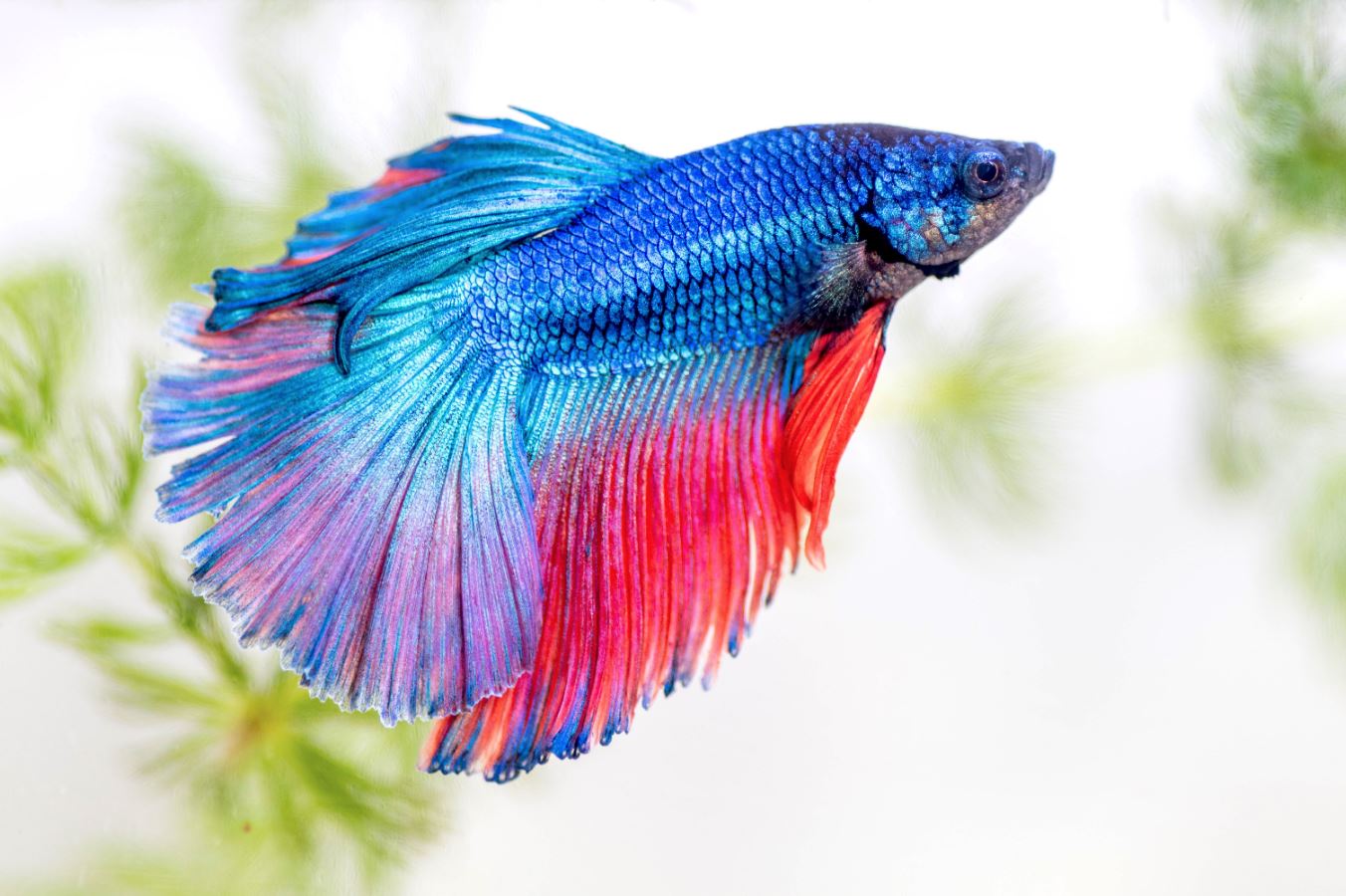
To those unfamiliar with aquatic pets, fish and amphibians may seem expressionless, existing only as moving ornaments. Yet those who observe closely soon learn that beneath the surface lies a world of individuality. A betta’s assertive patrol, a clownfish’s ritualistic weaving through anemones, or a goldfish’s curious gaze all reveal distinct temperaments. Even snails and shrimp display preferences, routines, and patterns of exploration. These subtle personalities emerge only through patience. Observation reveals mood in movement. A fish that hides signals stress, one that feeds eagerly displays confidence. Through such interactions, owners begin to see not simply animals, but characters inhabiting miniature worlds of their own creation.
The recognition of individuality in aquatic species deepens empathy. It challenges assumptions about intelligence and emotion in non-terrestrial creatures. Scientific studies now show that fish experience memory, learning, and even play. Some recognize their caretakers, approaching the glass at feeding time or following hands as they move nearby. This awareness bridges the perceived gap between land and water. It reminds people that consciousness exists in diverse forms, and that every living being, regardless of shape or size, responds to care. The aquarium becomes a window not only into another world but into the wider spectrum of awareness that surrounds us.
The Art of Creating Balance
Designing a healthy aquatic habitat requires harmony between form and function. The visual appeal of an aquarium often masks the complexity of maintaining it. Plants, lighting, substrate, and decorations must all coexist without disrupting the delicate chemistry of the water. Live plants contribute oxygen, absorb waste, and provide shelter, but they also demand light and nutrients. Artificial decorations, though visually pleasing, can alter water quality if not chosen carefully. Even the arrangement of space influences behavior, as territorial fish require boundaries, while schooling species need open areas to move collectively. Each decision in aquarium design affects both aesthetic and life within.
Balance does not mean static perfection. It means dynamic stability, the ability of the environment to adapt to change without collapse. When the ecosystem functions correctly, intervention becomes minimal. The water clears naturally, the fish move confidently, and feeding cycles remain consistent. This harmony does not happen overnight. It emerges through trial, error, and understanding. Aquarists learn to respect rhythm over control. The tank becomes a living teacher, revealing that equilibrium is achieved not through dominance but through attentiveness. This lesson, though learned in water, echoes far beyond it.
The Healing Presence of Water
Humans have always been drawn to water for restoration. Its movement soothes, its sound calms, and its presence centers the mind. Keeping aquatic pets extends this ancient connection into daily life. The visual flow of fish and the hum of filters create an atmosphere of quiet meditation. Psychologists have noted that aquariums reduce anxiety, lower blood pressure, and increase focus. Hospitals and schools now incorporate them into waiting areas and classrooms to promote relaxation and curiosity. The benefits come not from the novelty of watching life, but from immersion in rhythm, the soft repetition that water provides.
Beyond physical calm, aquariums evoke a sense of stewardship. Caring for aquatic life requires consistency and patience, two traits that cultivate mindfulness. Every test of water, every adjustment of temperature, reinforces responsibility through repetition. The routine becomes grounding. The reward is mutual, caregiver and creature both thrive in the space created by attention. The connection between human wellness and aquatic care underscores a deeper truth: the more one nurtures life, the more one finds peace within their own environment. In the stillness of water, empathy expands quietly and profoundly.
The Challenges Hidden Beneath Beauty
The serenity of an aquarium can mask the complexity behind its maintenance. New enthusiasts often underestimate the commitment required. Improper cycling, overfeeding, or mixing incompatible species are common mistakes that lead to disease or imbalance. Water that looks clear may still contain harmful chemicals. Decorative elements can trap debris, and excessive lighting can trigger algae blooms that suffocate oxygen levels. Aquatic care demands vigilance, precision, and adaptation. It is a discipline shaped by observation, not automation. Every adjustment made within the tank must consider chemistry, behavior, and ecology simultaneously.
Ethical concerns also shape responsible aquatic care. Many species sold commercially are wild-caught, often removed from fragile ecosystems. Sustainable sourcing ensures that beauty does not come at the cost of biodiversity. Reputable breeders and aquaculture programs now work to reduce pressure on natural populations while promoting genetic diversity. For caretakers, awareness becomes action. Choosing species that thrive in captivity and understanding their natural origins transforms ownership into stewardship. Beneath the beauty of aquariums lies a moral responsibility, to recreate without exploiting, to appreciate without consuming.
The Expanding Horizon of Aquatic Design
The world of aquatic pet keeping continues to evolve through innovation and creativity. Modern aquascaping has turned aquarium design into an art form that rivals painting or sculpture. Aquarists use plants, rocks, and driftwood to create landscapes that mimic mountains, forests, and valleys, all submerged beneath water. These living installations require a fusion of horticulture, architecture, and biology. The result is not only visual harmony but ecological integrity. Each element serves a function, from sheltering smaller species to maintaining oxygen balance. The most successful designs achieve beauty through purpose, reflecting natural systems rather than replacing them.
Technology continues to redefine possibilities. Automated feeders, smart temperature controls, and lighting systems that simulate sunrise and sunset bring precision to daily maintenance. Artificial intelligence can now monitor water parameters and alert owners to changes before they become dangerous. These advances allow more people to engage with aquatic care while ensuring higher standards of health. Yet even with innovation, the emotional essence remains unchanged. The appeal of aquatic life lies not in control but in participation, the quiet collaboration between human design and nature’s resilience.
The Educational Value of Underwater Worlds
Beyond beauty and companionship, aquatic pets serve as powerful educational tools. Children who grow up observing aquariums learn about ecosystems, adaptation, and interdependence in tangible ways. Feeding routines teach discipline, while observing fish interactions fosters curiosity about behavior and biology. Schools that incorporate aquariums into science programs create hands-on lessons about chemistry, physics, and responsibility. The sight of coral polyps opening or algae growth cycling through stages transforms theory into experience. For adults, aquariums rekindle wonder, reminding them of nature’s intricacy even within limited space.
These living ecosystems also encourage environmental awareness. Understanding how small fluctuations affect aquatic health builds empathy toward larger global challenges such as pollution, habitat destruction, and climate change. When caretakers learn that one drop of chemical imbalance can threaten an entire tank, they begin to grasp the fragility of oceans and rivers. Education through observation extends beyond the home. It becomes a philosophy that connects care at the smallest scale to preservation at the largest. Each aquarium, in its way, becomes a microcosm of responsibility.
The Reflection in the Water
In the quiet shimmer of an aquarium, something greater than beauty emerges. It is reflection, of the world, of responsibility, and of self. The creatures that move within remind us that balance is not a given but a continual act of care. The clarity of water mirrors the clarity of intention. To sustain life beneath the surface requires empathy, patience, and attention to detail, the same virtues that sustain relationships above it. Every tank, no matter how small, is a world complete within itself, fragile yet enduring through devotion. In watching life unfold underwater, we are reminded that peace is not the absence of movement, but the harmony found within it. The still world teaches movement, and in doing so, teaches us how to live.