

Responsible Reptile Care in Modern Environments
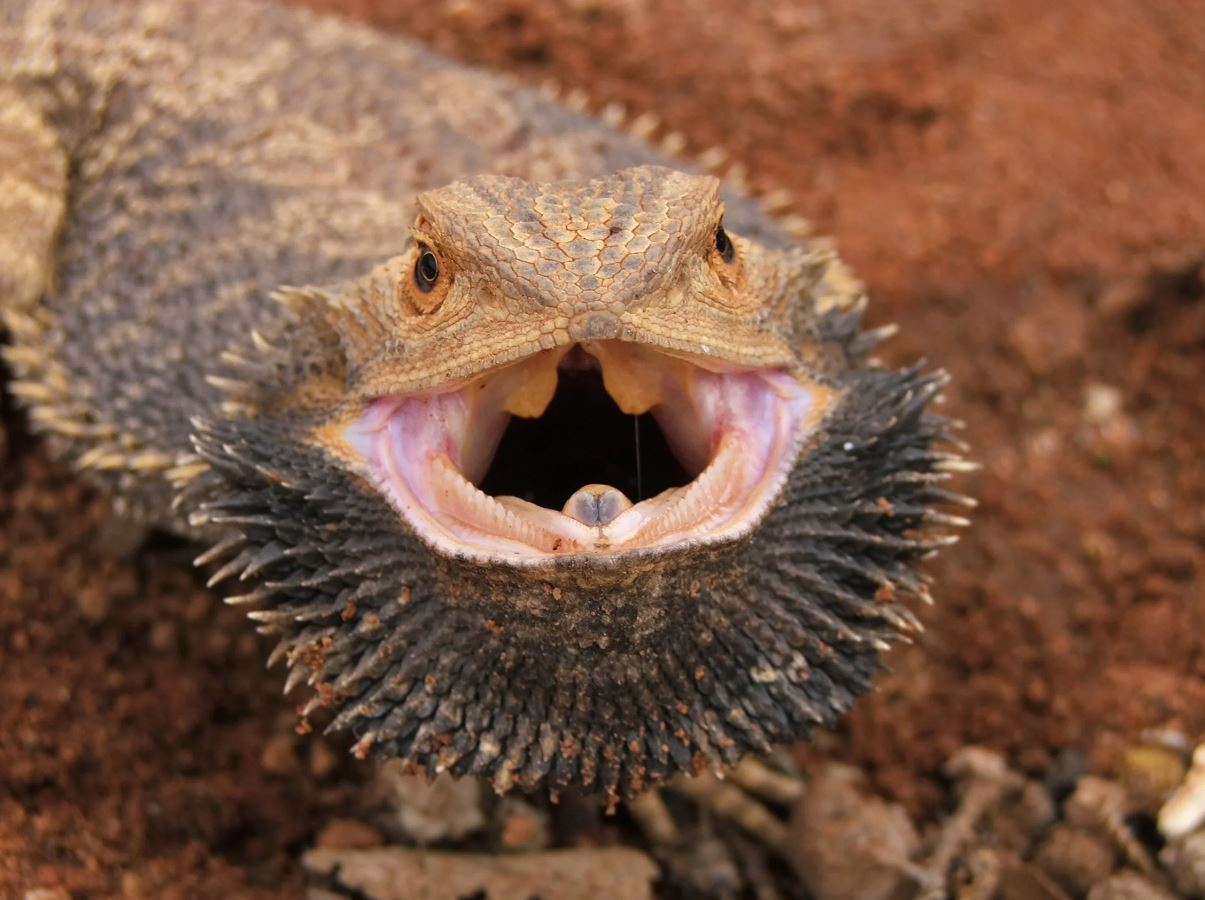
Understanding the Delicate Relationship Between Reptiles and Responsible Human Care
The Quiet Complexity of Reptilian Life
To care for a reptile is to care for a world that speaks in stillness. Unlike mammals or birds, reptiles communicate through subtle motions and environmental needs rather than sound or expression. They do not crave affection in the way that dogs or cats might, but they depend entirely on precision, observation, and respect. Each species, whether a gecko, turtle, snake, or iguana, represents a fragment of ancient life, adapted to specific conditions that have existed for millennia. The act of keeping one in captivity becomes an act of deep responsibility. A reptile’s survival depends on how well its caretaker recreates the temperature, humidity, and terrain of its natural world. In essence, reptile care is a science disguised as patience.
Many people underestimate the complexity of these creatures, assuming that a reptile’s silence means simplicity. Yet, silence in reptiles is the space where biology and instinct unfold. The slow blink of a lizard, the patient basking of a snake under heat, or the deliberate crawl of a tortoise across its enclosure reveals an ancient rhythm of existence. Learning to care for reptiles means learning to interpret this rhythm. The keeper must become a translator between species, understanding that wellness cannot be measured by noise or affection, but by subtle signals that speak of balance, comfort, and trust.
Building the Perfect Habitat
Every reptile enclosure is an ecosystem waiting to be balanced. The first and most critical step in reptile care is habitat design. Each element, temperature, humidity, light, and substrate, contributes to an organism’s survival. For desert reptiles such as bearded dragons, the environment must mimic the dry heat of sun-soaked landscapes with gradients of warmth that allow thermoregulation. Tropical reptiles, by contrast, demand humidity, foliage, and soft bedding that retains moisture. A single mistake, such as using the wrong bulb or failing to provide hiding spaces, can disrupt their internal systems, leading to stress and disease. The terrarium becomes a miniature climate, an experiment in precision that reflects the balance of entire biomes.
Lighting is a science in itself. Reptiles rely on ultraviolet light for metabolic processes, especially for synthesizing vitamin D3 and absorbing calcium. Without it, bones become brittle, muscles weaken, and health deteriorates quietly. The placement and timing of lights mimic the natural rhythm of day and night. Heating systems, too, must be carefully arranged to provide thermal gradients, allowing reptiles to move freely between warmer and cooler zones as they would in nature. When done correctly, the enclosure transforms into a self-contained universe of movement and adaptation, one where life thrives in harmony with artificial design.
The Art of Feeding and Nutrition
Feeding reptiles requires a thoughtful understanding of biology and ecology. Unlike mammals with broad diets, reptiles have evolved specialized feeding habits that mirror their habitats. Carnivorous species like snakes and monitors depend on live or pre-killed prey, replicating natural hunting patterns. Herbivorous reptiles, such as iguanas and tortoises, thrive on leafy greens, fruits, and calcium-rich vegetables. Omnivorous species demand variety, balancing proteins and fibers to maintain proper metabolism. What connects them all is the need for authenticity, the closer their diet aligns with their wild counterparts, the healthier and more active they become.
Feeding time reveals more than just appetite. It reflects a reptile’s stress levels, comfort, and overall health. A lizard that refuses food may be signaling improper temperature, illness, or fear. The caretaker must learn to observe patterns rather than impose expectations. Supplements, particularly calcium and vitamins, play a crucial role in preventing metabolic bone disease and other deficiencies. However, balance remains vital. Over-supplementation can be as harmful as neglect. The art of feeding lies in moderation, timing, and understanding the natural instincts that guide consumption. To feed a reptile correctly is to respect the evolutionary story written within its body.
Behavior and Emotional Awareness
Although reptiles are not expressive in a traditional sense, they possess behaviors that reveal complex emotional and physiological states. Many species demonstrate territoriality, curiosity, or even social awareness in specific contexts. A chameleon’s color shift is not merely aesthetic, it can signify temperature regulation, mood, or stress. A snake’s defensive posture communicates discomfort, while a tortoise’s slow retreat into its shell is an act of preservation, not fear. These behaviors are silent dialogues between instinct and environment. Observing them is a key element of care.
Contrary to popular belief, reptiles can recognize routine and even develop familiarity with their caretakers. Over time, they learn to associate specific movements or sounds with feeding or safety. While they may not show affection as mammals do, they exhibit trust through calmness and predictability. Stress, however, manifests clearly. Repeated hiding, aggression, or refusal to bask often points to environmental or handling issues. Thus, emotional awareness in reptiles requires attentiveness rather than projection. Understanding these signals deepens the bond between caretaker and creature, bridging the gap between instinct and empathy.
Handling and Respecting Boundaries
Handling reptiles is as much about respect as it is about care. Each species has its own threshold for interaction. Some tolerate handling well, while others view it as intrusion. Excessive handling disrupts their sense of safety, increasing stress and compromising immune systems. The key is patience. Approach should always be calm, deliberate, and predictable. Quick movements trigger defensive reactions, as reptiles interpret speed as predation. Gentle, confident contact helps them associate touch with security rather than danger. The goal is not to tame, but to coexist within the limits of their comfort.
Temperature and timing matter during handling. Cold reptiles move sluggishly, making them more vulnerable to injury if mishandled. Warmth allows them to move naturally and maintain balance. For snakes, support along the body is essential to prevent muscle strain. Lizards require hand placement that avoids the tail, as many species can detach it under stress, a defense mechanism that leaves lasting harm in captivity. Respecting these boundaries nurtures trust. Each successful interaction teaches that safety is possible, transforming fear into tolerance and, eventually, recognition.
Health and Preventive Care
Reptile health often depends on early observation rather than reaction. By the time symptoms become visible, the underlying issue may already be advanced. Preventive care begins with stable habitat conditions. Temperature consistency, clean water, and balanced diet serve as the foundation of wellness. Regular enclosure cleaning prevents bacterial buildup and fungal infections, while routine health checks allow caretakers to detect changes in shedding, appetite, or behavior that might indicate illness. Parasites, respiratory infections, and metabolic bone disease are among the most common threats, but all are preventable through vigilance.
Veterinary care for reptiles requires specialized knowledge, and finding an experienced professional can make the difference between recovery and decline. Routine fecal tests, hydration monitoring, and observation of eye clarity or shell condition help ensure long-term vitality. Stress reduction is equally vital, as chronic anxiety weakens immune function. Preventive health, therefore, extends beyond physical conditions, it includes emotional stability, environmental control, and routine observation. The reptile keeper becomes both scientist and guardian, combining intuition with evidence to sustain life.
Reproduction and Ethical Responsibility
Breeding reptiles introduces both wonder and ethical responsibility. While reproduction may seem like a natural progression of care, it also brings challenges that few anticipate. Successful breeding requires precise environmental cues, temperature fluctuations, and photoperiod adjustments to mimic natural seasonal patterns. Yet even when reproduction occurs successfully, the question remains: what becomes of the offspring? Ethical breeding demands foresight. Overpopulation and improper sales of reptiles contribute to neglect and ecological disruption when released into non-native environments. Thus, breeding should serve conservation, education, or species preservation rather than novelty or profit.
For those committed to responsible breeding, preparation begins long before the mating process. Genetic diversity, habitat readiness, and long-term care plans must align to ensure that each hatchling receives appropriate care. The moral weight of bringing new life into captivity cannot be overstated. It requires intention and accountability. Each egg laid represents a contract between human and nature, a promise to provide stability, respect, and lifelong stewardship. In honoring that promise, the reptile keeper upholds the principle that care must always exceed curiosity.
Technology and the Future of Reptile Care
Modern reptile care has evolved alongside technological innovation. Automated temperature and humidity controls, digital monitoring systems, and smart lighting have transformed enclosures into responsive habitats that adapt in real time. These advancements allow caretakers to maintain precision without constant manual intervention. Cameras and sensors provide data on movement, feeding, and rest cycles, enabling early detection of stress or illness. With these tools, reptile care becomes both more accessible and more accurate. However, technology should enhance intuition, not replace it. The heart of good care still lies in observation and understanding, not automation.
Advances in veterinary medicine have also expanded the possibilities for treatment and rehabilitation. From laser therapy for shell injuries to nutritional formulas tailored to species, reptiles now benefit from care once reserved for more common pets. Education and online communities further spread awareness, connecting keepers worldwide to share knowledge and ethical standards. As these networks grow, so does the understanding that reptiles are not mere novelties but vital representatives of Earth’s biodiversity. Their care reflects humanity’s broader relationship with the natural world, one that must be built on respect, patience, and scientific awareness.
The Legacy of Stillness
To keep a reptile is to hold a fragment of prehistory within the present. These creatures carry with them the patience of time itself, surviving where others could not. In their calm lies resilience, and in their silence, wisdom. Reptile care is not an act of ownership but of guardianship. It asks for balance between curiosity and responsibility, between fascination and restraint. Through care, humans reconnect with the ancient pulse of life that predates their own existence. Every habitat built, every meal prepared, and every observation made contributes to a silent legacy, a shared understanding between two species separated by evolution but united through respect. In that stillness, humanity rediscovers its role not as master of nature, but as its attentive steward.