

Moments Measured by the Beat of Wings
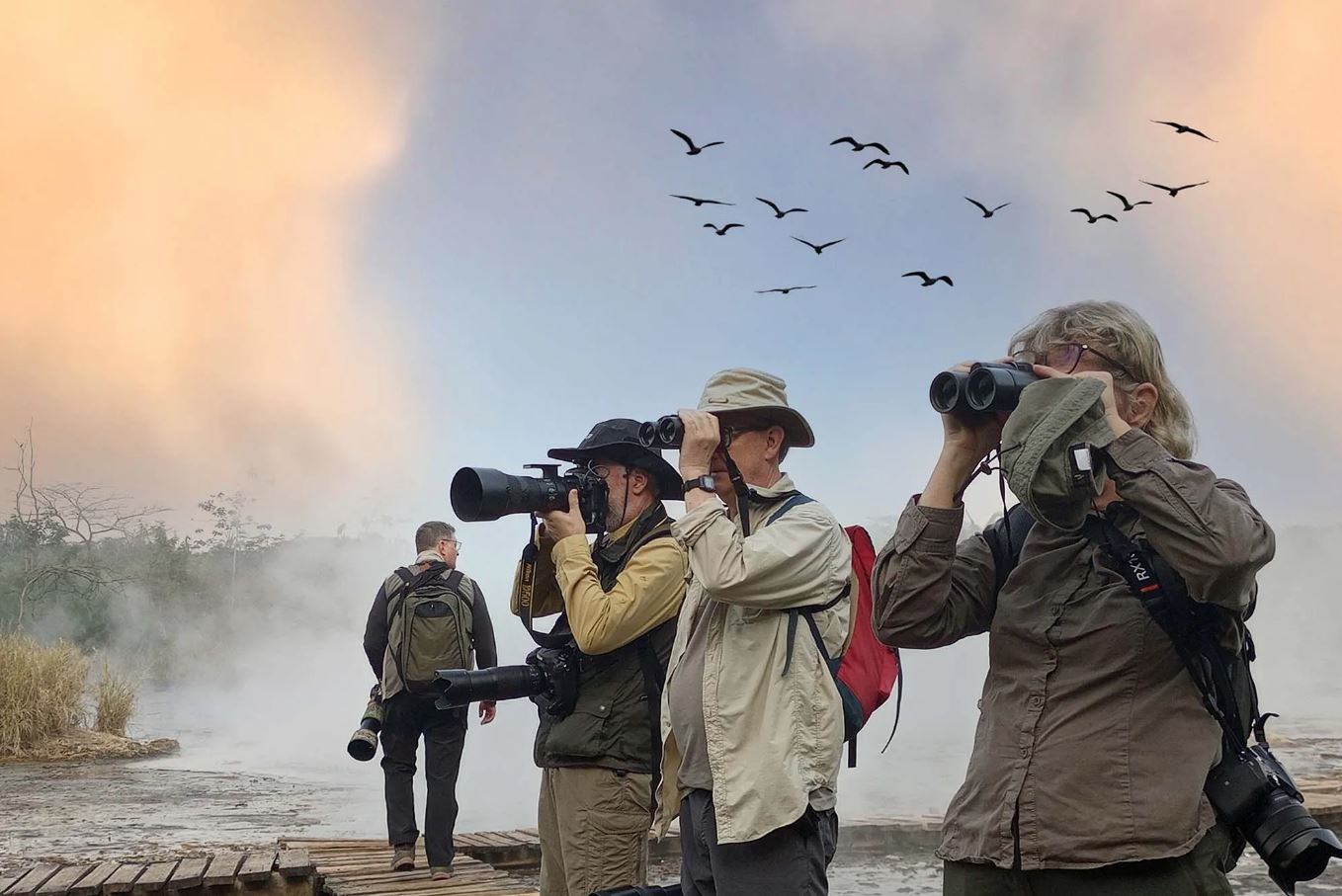
Finding Stillness and Wonder in the Feathered Movements of the World Above
The First Glimpse of the Sky
Bird watching begins with curiosity, but it matures into a practice of attention. The first time someone lifts a pair of binoculars, there is often a mixture of excitement and uncertainty. The trees seem endless, the sky too vast, the motion too quick to follow. Yet within moments, a flutter, a sound, or a streak of color captures the eye. What begins as a search turns into a discovery, not of the bird alone but of perception itself. Every bird watcher learns that the act of seeing is more than looking. It is the art of listening with the eyes, a process that reveals the delicate choreography of the natural world.
For many, the first glimpse of a bird through magnified glass feels transformative. The distance between observer and creature collapses into intimacy. Feathers reveal patterns of light and texture that seem painted by precision, each movement a reflection of grace shaped by necessity. From the common sparrow to the elusive hawk, each species carries its own rhythm. Bird watching invites people to slow down, to move at the pace of wings and wind. The experience becomes less about identification and more about immersion, a reminder that beauty exists wherever patience meets awareness.
The Language of Movement and Sound
Birds communicate in ways that defy human simplicity. Their songs, calls, and gestures form an intricate vocabulary that tells stories of territory, courtship, and alarm. Bird watchers quickly learn to read these languages of motion and melody. A tilt of the head, a flick of the tail, or a sudden pause in song can speak volumes. Listening becomes as important as seeing. The forest, once filled with indistinct noise, transforms into a layered orchestra where every sound carries meaning.
Each species occupies its own auditory space. The thrush’s spiral notes, the jay’s sharp cry, or the soft coo of a mourning dove blend into a rhythm that defines landscape as much as geography does. Skilled observers learn to identify species by sound alone, tracing calls through distance and echo. In that listening lies connection. It is not about control but comprehension. The language of birds reminds humans that communication can exist without words, that silence between sounds can hold just as much truth as the notes themselves.
The Tools That Shape the Journey
While bird watching is rooted in simplicity, the tools used to enhance the experience have evolved with technology. Binoculars remain the primary companion, but digital cameras, smartphone apps, and sound recorders now accompany the modern birder. These tools serve not to separate people from nature but to deepen understanding. A photograph can capture details unseen by the eye, while an audio recording can preserve a melody for study. Technology, when used with respect, becomes a bridge rather than a barrier.
However, even with the most advanced tools, the essence of bird watching remains unchanged. It requires patience, humility, and time. Technology may provide clarity, but it cannot replace presence. True observation happens in stillness, when the observer becomes part of the environment. The soft click of a camera or the hum of a phone should never overshadow the rustle of leaves or the breath of wind. The tools are valuable, yet the greatest equipment a birder can carry is awareness itself.
The Seasons That Shape the Sky
Bird watching is also an exercise in timing. Seasons dictate the patterns of flight, migration, and nesting. Each shift in temperature or daylight signals a transformation in behavior. In spring, the sky becomes a highway of return. Species that vanished during the cold months reappear with color and song, reclaiming territories and rhythms. Summer brings abundance, the time of feeding and raising young. Autumn turns the air into a stage of departure, while winter tests resilience as the landscape grows quiet and sparse.
Understanding these cycles deepens appreciation. Bird watchers begin to anticipate migrations like old friends returning home. They notice the subtle shifts before the rest of the world does: the early calls at dawn, the first change in plumage, the gathering of flocks along the horizon. Each season tells a story of adaptation, and each bird becomes a narrator of that tale. The passage of time ceases to feel linear. Instead, it circles endlessly, reminding the observer that all life moves in rhythm, guided by instinct and light.
The Ethics of Observation
Respect is the foundation of bird watching. Observing wildlife carries responsibility, not entitlement. A bird watcher’s presence should never disrupt natural behavior. The goal is to witness without altering. Ethical practice means keeping distance, avoiding nests, and moving quietly through habitats. The observer’s footprint must fade with the wind, leaving no sign of intrusion. In this way, bird watching becomes not just a hobby but a form of conservation.
Many bird watchers also play a direct role in protecting the environments they visit. They participate in citizen science programs, record data for migratory studies, and advocate for habitat preservation. Observation transforms into stewardship. The knowledge gained through time and attention becomes a tool for awareness, helping others understand the fragile balance that sustains every song and feather. Ethics in bird watching is not just about restraint, it is about gratitude for the privilege of witnessing life unfold.
The Healing Found in Silence
Beyond identification and conservation, bird watching holds quiet power as a form of healing. Modern life moves at a pace that fragments attention. Bird watching restores focus through rhythm and repetition. It offers the gift of stillness, teaching patience through presence. Every sound, every movement, becomes an anchor that pulls the mind away from distraction. In nature, time stretches differently. The hours spent waiting for a single glimpse of color feel less like passing moments and more like meditation.
Many find solace in this practice because it does not demand productivity. There is no competition, no outcome to measure. A bird’s flight becomes both metaphor and mirror, reflecting freedom and grace. Watching birds encourages empathy, reminding people of connection beyond language and culture. For those who have lost a sense of balance, the sky offers restoration. The simple act of looking upward can quiet thoughts, clear emotion, and bring peace where words cannot reach.
The Global Community of Watchers
Bird watching is both solitary and communal. Around the world, millions share this quiet fascination, connected by curiosity and care. Local clubs, international festivals, and online groups create a global network of observers. These communities exchange sightings, photographs, and stories that celebrate diversity in both species and experience. Bird watching, though deeply personal, thrives through collective participation. What one observer sees in one corner of the world may help another understand migration patterns thousands of miles away.
The shared language of this community is built on passion and patience. There are no barriers of background or profession. Children, scientists, artists, and retirees all find common ground in the flutter of wings. This inclusivity gives the practice endurance. It becomes not only a study of birds but of human connection itself. Across continents and climates, people gather under the same sky, bound by curiosity and respect for the living world.
The Future of Observation and Awareness
As environmental challenges grow, bird watching takes on new importance. The skies that once echoed with endless calls now carry quieter songs. Habitat loss, pollution, and climate change have disrupted migration routes and nesting grounds. Observers now witness not only beauty but warning. Their notebooks record change, their photographs preserve what may one day vanish. In this way, bird watching becomes an act of remembrance and resistance. Each sighting is both celebration and documentation of what remains.
Yet there is hope in awareness. The more people look upward, the more they learn to care. Modern technology has made it easier to record data, raise awareness, and contribute to conservation efforts. Bird watching becomes a bridge between observation and activism, turning passion into purpose. Every individual who pauses to watch a bird in flight becomes part of a collective effort to protect the sky it crosses. Through that awareness, humanity reconnects with its oldest teacher, the natural world itself.
The Eternal Horizon of the Winged World
In the end, bird watching is not about the birds alone. It is about rediscovering presence in a world that often forgets to be still. Each glance toward the sky reminds us of the delicate balance that sustains life, the invisible threads that tie wind, leaf, and feather together. The act of watching becomes a quiet promise, to protect, to listen, and to remember. When a bird takes flight, it carries more than itself. It carries the story of a planet that still breathes, and the reminder that beauty continues, even when seen only for a moment. In that fleeting motion, there is eternity. And for those who take the time to look up, the world will never again feel silent or small.