
Where Healing Walks on Four Legs
The Science, Empathy, and Dedication That Define the Heart of Veterinary Care
The Bridge Between Species
Veterinary medicine stands as a quiet alliance between humanity and the animal world. It represents the space where compassion meets biology, where science transforms into empathy through the healing of those who cannot speak for themselves. Every visit to a clinic begins not only with diagnosis but with understanding, as veterinarians interpret gestures, postures, and sounds to uncover hidden pain. This relationship is built on trust formed in silence. The veterinarian becomes translator, guardian, and scientist simultaneously, bridging the gap between instinct and intellect. Their work reminds us that health is not a privilege limited to humans but a universal right shared among all living beings.
Within that bridge lies the balance between knowledge and heart. No medical tool can replace intuition, and no degree can replicate the sensitivity required to comfort a frightened animal. Veterinary professionals operate in the language of patience, decoding fear while upholding precision. They learn that a single calm breath or gentle touch can reassure a creature more than words ever could. This bond defines their practice, merging clinical skill with emotional intelligence. Through them, the boundary between humanity and nature narrows, and the act of healing becomes an exchange of trust that enriches both sides.
The Anatomy of Dedication
Every veterinarian’s journey begins with curiosity about life itself. The study of anatomy, physiology, and pathology forms the foundation, but the work extends far beyond textbooks. It demands endurance through long nights and unpredictable emergencies. A veterinarian must be prepared for joy and grief in the same hour, saving one patient while losing another. This constant emotional fluctuation becomes both burden and calling. The profession attracts those who find purpose in persistence, who understand that progress often comes measured in millimeters rather than miracles.
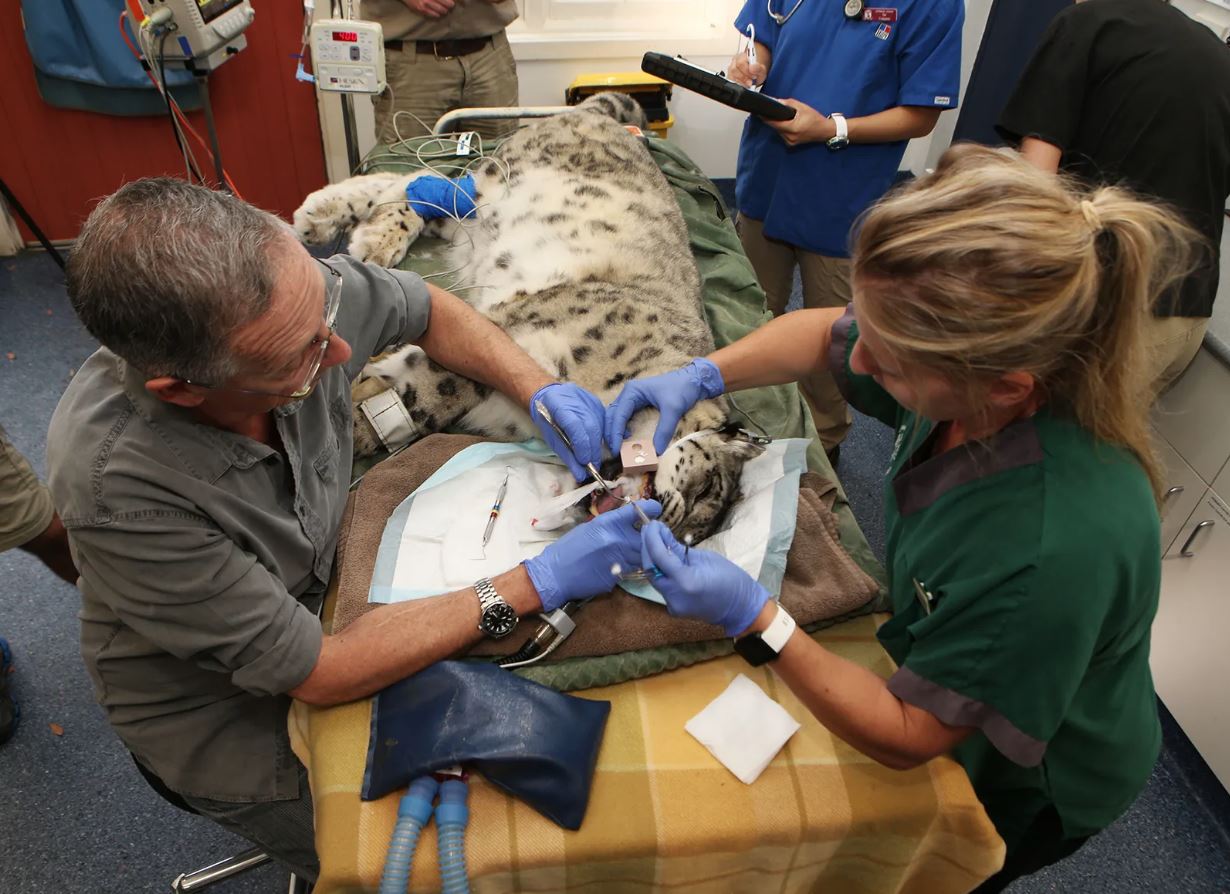
Dedication manifests in the smallest details. The steady hand that sutures a wound, the precision that adjusts anesthesia levels, and the patience that monitors recovery all require unshakable focus. The weight of responsibility never fades, yet it becomes fuel for improvement. Behind every clinical success lies years of practice and self-discipline. Veterinarians carry this weight not out of obligation but devotion. Their motivation often arises from moments invisible to others, the wag of a tail, the purr of relief, or the stillness of comfort after pain subsides. In those fleeting moments, they are reminded that their work sustains not only bodies but lives intertwined with our own.
The Unseen Realities Behind the Stethoscope
For those outside the field, veterinary medicine may appear as endless affection for animals, yet the reality is far more complex. The profession demands scientific rigor, emotional resilience, and moral discernment. Veterinarians confront ethical dilemmas that test their humanity daily. They must decide when to fight for life and when to allow peace, balancing empathy with practicality. Each decision carries emotional residue that lingers long after the clinic doors close. The compassion that drives them also leaves them vulnerable to exhaustion and grief. Compassion fatigue becomes an occupational hazard born from caring too deeply for too long.
Still, within the quiet corridors of clinics and hospitals, courage persists. Veterinary staff continue to show up for every appointment, every emergency, every unknown case, fueled by a sense of duty stronger than comfort. Their courage is not loud or heroic in the traditional sense. It is steady, composed of early mornings, sleepless nights, and unwavering attention to detail. They heal because they must, not because it is easy. Each patient teaches endurance, humility, and the reminder that even small victories, like a kitten taking its first meal after surgery, are triumphs worth celebrating.
Medicine Beyond the Clinic
Veterinary care reaches far beyond examination tables and surgical rooms. It extends into fields, forests, and oceans where animals live without boundaries. Wildlife veterinarians work to preserve biodiversity, rescuing creatures entangled in human activity. Their efforts support ecological balance, reminding us that the health of one species influences the wellbeing of all. In rural landscapes, large animal veterinarians protect herds that sustain communities, ensuring food systems remain secure and ethical. In cities, companion animal specialists maintain the wellbeing of the animals that share our homes, creating healthier environments for families and pets alike.
Public health also depends on veterinary vigilance. By monitoring diseases that transfer between animals and humans, veterinarians act as early defenders against global threats. Rabies, avian influenza, and other zoonotic conditions highlight how interconnected life truly is. The same principles that safeguard one household pet contribute to the stability of entire ecosystems. In this way, veterinary medicine becomes not just a profession but a form of environmental guardianship. Each vaccination, examination, and intervention becomes part of a larger network of protection that keeps our shared planet balanced and alive.
Technology and the Future of Healing
Modern veterinary medicine continues to evolve alongside technology, merging innovation with compassion. Digital imaging, genetic testing, and telemedicine have transformed how diagnoses are made and treatments are delivered. Radiology now captures detailed insights into anatomy once hidden, while blood analysis can detect conditions long before symptoms appear. Artificial intelligence aids in pattern recognition, assisting veterinarians in identifying rare diseases with unprecedented accuracy. Yet despite these advancements, technology remains a tool, not a substitute for intuition. The heart of veterinary medicine still beats through the human connection behind every machine.
As research deepens, regenerative medicine and stem cell therapy offer new hope for chronic conditions. Orthopedic procedures restore movement once considered lost, while precision nutrition plans improve recovery outcomes. The field also embraces sustainability, seeking eco-friendly pharmaceuticals and minimizing waste in clinics. The future promises even greater integration of data and empathy, where veterinarians use technology not to replace touch but to refine it. Innovation becomes an extension of care, expanding what is possible without diminishing the personal bond that defines the profession’s soul.
The Emotional Landscape of Care
Veterinary medicine demands a kind of emotional literacy rarely taught in schools. Practitioners must balance empathy with objectivity, compassion with decisiveness. They face grief not only from owners but within themselves, as every loss reverberates through their sense of purpose. The work requires learning how to carry sorrow without letting it erode resilience. Many find solace in the gratitude of the families they help or the small moments of peace shared with recovering patients. Emotional strength grows not from detachment but from the ability to feel deeply while continuing to serve.
For clients, veterinarians become confidants as much as caregivers. They witness the intimate relationship between humans and their pets, stepping into moments of vulnerability that few others see. Delivering good news brings shared joy, while delivering bad news demands empathy that transcends words. These emotional exchanges shape the profession’s humanity. Through them, veterinarians learn that healing involves more than medicine. It requires presence, compassion, and the courage to stand beside both joy and sorrow. In the quiet after every appointment, they carry not only the memory of the patient but the story of a bond that defines what it means to care.
The Role of Education and Community
Veterinary medicine thrives through shared knowledge. Each generation of professionals builds upon the discoveries of those before them, expanding the understanding of animal physiology, behavior, and treatment. Continuing education remains essential as new diseases, technologies, and ethical standards emerge. Conferences, research collaborations, and mentorships create a global network of learning where ideas flow freely between borders. In classrooms, aspiring veterinarians learn that mastery begins with humility, that every case is both challenge and opportunity for growth. The profession sustains itself through this ongoing cycle of teaching, discovery, and reflection.
Beyond academia, community engagement strengthens public understanding of animal welfare. Outreach programs offer vaccination drives, spay and neuter campaigns, and basic education about responsible ownership. Veterinarians often volunteer their expertise in shelters and disaster zones, where animals depend on rapid, organized response. By educating the public, they empower people to recognize signs of illness early and to value preventive care over crisis treatment. In this partnership between professional and public, veterinary medicine becomes a collective endeavor rooted in empathy and shared responsibility. Together, they ensure that knowledge serves not as privilege but as protection for all species.
The Meaning Within Every Life Saved
Every healed animal carries a story, and within that story lies the essence of veterinary medicine. A horse recovering from lameness, a rescued owl taking flight again, or a dog wagging its tail after surviving surgery, all represent triumphs of persistence and compassion. Each life saved reinforces the connection between species and reminds us why care matters. The emotional weight of these victories often outweighs the hardships endured. Veterinarians may work in anonymity, but their impact ripples through families and ecosystems alike. Their efforts preserve not only individual lives but the balance of compassion within society.
Even in moments of loss, meaning persists. Euthanasia, one of the most difficult responsibilities in veterinary practice, teaches grace in letting go. To relieve suffering becomes an act of love rather than surrender. Through it, veterinarians bear witness to the full spectrum of existence, from birth to farewell, and in doing so, they affirm the sanctity of life. Every goodbye carries quiet gratitude, every success a silent vow to continue learning. The work of healing never truly ends; it transforms with every patient met and every lesson carried forward into the next act of care.
Where Science Meets the Soul
In the deepest sense, veterinary medicine is a reflection of humanity’s best qualities. It embodies patience, intellect, and compassion woven into purpose. Beneath every stethoscope beats a heart guided not only by science but by empathy. The field reminds us that healing is not ownership but stewardship, that our connection to animals defines our character as much as our civilization. Each treatment, each rescue, and each moment of understanding contributes to a shared legacy of care. In this harmony between reason and love, the veterinarian stands as both scientist and storyteller, writing chapters of hope across every life they touch. The world grows gentler because of their work, and in their hands, healing continues to walk quietly on four legs, one heartbeat at a time.