

Whiskers Beneath the Sunlight
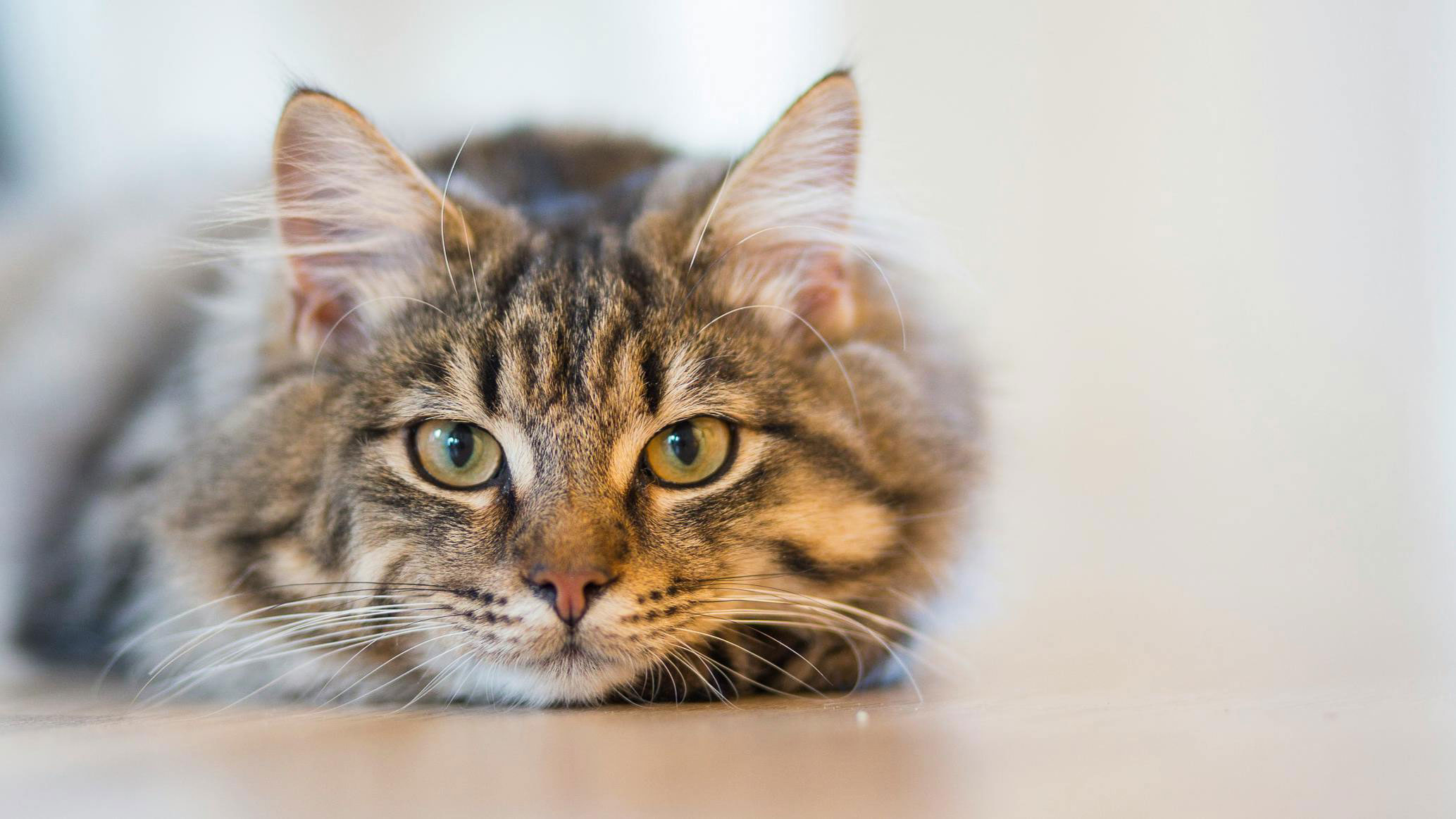
How Everyday Moments with Pets Illuminate the Quiet Corners of Our Lives
The Unspoken Language of Companionship
When a cat curls beside a window and a dog rests its chin on your knee, there exists a kind of communication that does not rely on words but on trust and understanding. Pets interpret our energy long before we speak, reading posture, scent, and rhythm in ways far beyond human comprehension. The smallest tilt of a head or flick of a tail becomes an eloquent sentence, shaping an ongoing dialogue that grows deeper over time. This exchange creates an invisible current of empathy that ties two species together in mutual awareness. It is not only the pet that learns our tone but also the human who begins to sense subtle cues in movement and breath. Within that exchange, affection becomes a fluent language built on patience and observation. Many owners find that their pets mirror moods with uncanny accuracy, offering companionship that feels more intuitive than most human relationships. These wordless interactions can turn loneliness into warmth and confusion into clarity, teaching that connection can thrive without sound. Every glance and gentle touch strengthens an invisible bond that shapes both lives with enduring grace.
Psychologists often describe pet-human bonds as emotional mirrors, yet the science cannot capture their emotional resonance. When a person returns home after a long day, the enthusiasm of a waiting animal becomes a symbol of acceptance without condition. Over time, this routine teaches humans that affection does not depend on success or failure but on presence itself. Each shared moment, whether playful or calm, builds an unspoken dictionary of understanding. In that quiet, mutual awareness, we find a reflection of what empathy truly means. It is communication stripped of complexity, leaving only sincerity and instinct as its grammar.
Homes That Breathe with Paws and Feathers
A home that shelters pets becomes a living organism. The rhythm of feeding, walking, or cleaning cages transforms ordinary architecture into a choreography of coexistence. Rooms are no longer static; they become zones of interaction filled with small rituals that nurture belonging. The living room turns into a landscape of play, while hallways echo with the shuffle of claws or the flutter of wings. A soft carpet becomes a nest of dreams where both humans and animals find rest. Through their daily movements, pets give homes their heartbeat, making spaces feel alive even when silence prevails. The scent of hay, fur, or food blends with the human environment, creating a sensory memory that defines the household identity.
Families with animals often report higher levels of warmth and laughter, and this is not mere coincidence. The constant presence of another breathing being invites empathy and spontaneity. A child learns responsibility by feeding a hamster, a parent finds comfort in the steady companionship of a dog, and a grandparent feels less isolated when greeted by a purring cat. These interactions shape a social ecosystem sustained by routine acts of care. Even the sound of an aquarium filter or the chirp of a caged bird softens the rigidity of human schedules. Homes that host animals breathe differently because they echo with trust, curiosity, and affection. The very air seems to hum with life’s persistence, reminding us that every act of care echoes through the spaces we inhabit.
The Gentle Science of Care
Pet care is both an art and a science. Each feeding decision, grooming schedule, and medical appointment reflects the balance between instinct and knowledge. Caring for an animal requires attention to nutrition, behavior, and emotional wellbeing, demanding a form of mindfulness that expands one’s capacity for empathy. Behind every healthy coat or clear eye lies a pattern of habits shaped by patience and observation. Responsible care begins with understanding that pets perceive the world through senses far different from ours. Their smell, hearing, and tactile awareness form an immersive experience where every detail matters. By recognizing this difference, we learn to design environments that respect their nature rather than impose ours upon them.
Veterinary science deepens this relationship by translating animal needs into measurable health markers. Yet numbers alone cannot sustain care without compassion. The act of grooming, of checking paws or feathers, becomes a meditation on attentiveness. Feeding turns into an expression of trust, not mere routine. Over months and years, the consistency of these actions shapes emotional architecture where security blooms. The more one observes, the more one learns that love in this context is practical, quiet, and continuous. To truly care for a pet is to develop a form of knowledge that combines empathy with evidence, instinct with precision. In nurturing them, we refine our humanity.
Healing That Travels Both Ways
There is growing recognition that the healing power between humans and animals moves in both directions. Pets lower human stress levels through touch, rhythm, and routine. The sound of a cat’s purr can reduce anxiety, while walking a dog synchronizes heartbeat and breathing into a natural meditation. What is less often discussed is how our calmness also soothes them. A gentle voice, steady hands, and consistent affection stabilize their nervous systems, turning trust into physiological balance. Healing becomes a cycle of mutual reassurance. When one side falters, the other compensates with presence, creating a partnership that sustains emotional health on both ends of the leash.
Stories abound of therapy animals transforming hospital wards or veterans reclaiming calm through canine companionship. These examples illustrate a universal principle that affection itself holds medicinal value. Animals sense authenticity; they respond not to words but to energy. A peaceful household radiates through their behavior, while tension can unsettle even the most placid pet. Thus, emotional stewardship becomes part of caregiving. Humans learn to regulate their moods, not only for themselves but for the beings who share their homes. This feedback loop turns domestic life into a sanctuary where emotional intelligence thrives alongside physical care. In healing our pets, we practice the same compassion that heals us.
The Hidden Ecology of Urban Pets
In crowded cities, pets carry fragments of wilderness into apartments and high-rises. Their instincts remain ancient, even as they adapt to asphalt and artificial light. A pigeon on a balcony, a fish tank near a window, or a dog’s walk through a park all connect the human world with broader ecological systems. Each animal becomes an ambassador of the natural order, reminding humans that coexistence extends beyond species boundaries. Urban parks become miniature habitats that sustain birds, insects, and small mammals. Pet owners who frequent them participate unknowingly in micro-conservation, maintaining patches of biodiversity through routine presence.
The water that fills a bowl, the plant beside a litter box, and the sunlight entering a terrarium all link domestic life with planetary cycles. Recognizing this web of interdependence fosters humility. The city is not separate from nature but an altered extension of it, populated by animals whose resilience mirrors our own. Every urban pet becomes a teacher of adaptation. Through them, city dwellers rediscover forgotten rhythms of sunrise, meal times, and rest. The human calendar bends to biological necessity, creating harmony between concrete and heartbeat. These everyday adjustments, though subtle, represent ecological awareness in its most personal form.
The Art of Letting Pets Teach Us
Animals never lecture, yet they are among the most patient teachers. They reveal lessons in stillness, forgiveness, and authenticity simply by existing alongside us. A dog’s unwavering attention teaches presence; a cat’s independence models self-respect. Even small creatures like rabbits or parakeets illustrate the importance of consistency and routine. By observing them, humans rediscover patience, learning to listen with their eyes and act with gentleness. Pets remind us that life unfolds through repetition rather than rush, through care rather than conquest. Each shared morning becomes a classroom where empathy is the subject and silence the textbook.
Over time, the line between student and teacher blurs. The owner who once imposed order learns flexibility, and the animal who once followed commands begins to lead through subtle guidance. The rhythm of feeding and resting creates mutual understanding that transcends species. In this way, companionship becomes philosophy, showing that wisdom can grow in the quiet moments between heartbeat and breath. Pets teach that love is not a transaction but an ongoing state of awareness. By surrendering control and embracing observation, humans find peace in the presence of those who ask nothing but care.
From Domestic to Wild: The Shared Continuum
The distance between domestic pets and wild creatures is not as wide as it appears. The genetic link between a housecat and a tiger or a dog and a wolf is a reminder that domestication is adaptation, not separation. Understanding this continuity invites respect for all living beings, not just those under our roofs. Every pet behavior, from a cat’s stalk to a dog’s bark, carries echoes of ancestral survival. When we honor those instincts, we acknowledge that civilization and wilderness are intertwined. A home aquarium mirrors the balance of a river ecosystem, and a bird’s cage becomes a metaphor for fragile freedom.
This realization fosters conservation awareness. People who cherish pets often extend that empathy toward wildlife protection, understanding that love for one creature naturally expands toward others. The sense of kinship that begins with a pet’s gaze can evolve into advocacy for broader ecosystems. Many environmental movements trace their origins to early experiences with animals that awakened compassion. Pet ownership, then, becomes the seed of ecological consciousness. By caring for an individual animal, one learns to value life as an interconnected whole. This awareness reshapes not only attitudes but daily habits, influencing how people consume, build, and interact with nature. The shared continuum becomes a moral compass pointing toward coexistence rather than control.
Circles of Belonging
Every bond with an animal begins as a decision but matures into a circle of belonging. Within that circle, human and nonhuman boundaries soften into mutual understanding. As day turns to evening, and the quiet hum of life fills the house, the connection remains tangible yet indescribable. It is present in the rhythmic breathing of a sleeping pet and the calm satisfaction of a watching owner. Together they form a geometry of affection that repeats itself across homes and generations. The circle expands as each life touches another, weaving a network of empathy that spans species and seasons.
The philosophy behind this companionship reaches beyond comfort; it is an ethic of coexistence. In learning to love and care for animals, we refine our approach to every form of life. A pet’s trust teaches accountability, its needs encourage selflessness, and its joy renews our sense of wonder. Even the final farewell to a beloved companion carries meaning, reminding us that every shared moment is finite yet profound. Grief becomes gratitude in motion, inspiring acts of kindness toward future lives. The legacy of pet companionship is not measured by possessions or pedigree but by the depth of awareness it leaves behind. Within that awareness lies the true essence of PetSphere, a world where every creature, from the smallest fin to the largest paw, belongs in the same radiant circle of care. As the morning light returns and whiskers catch the first spark of the sun, we remember that to live with animals is to live within a living sphere of empathy, ever turning, ever alive.